
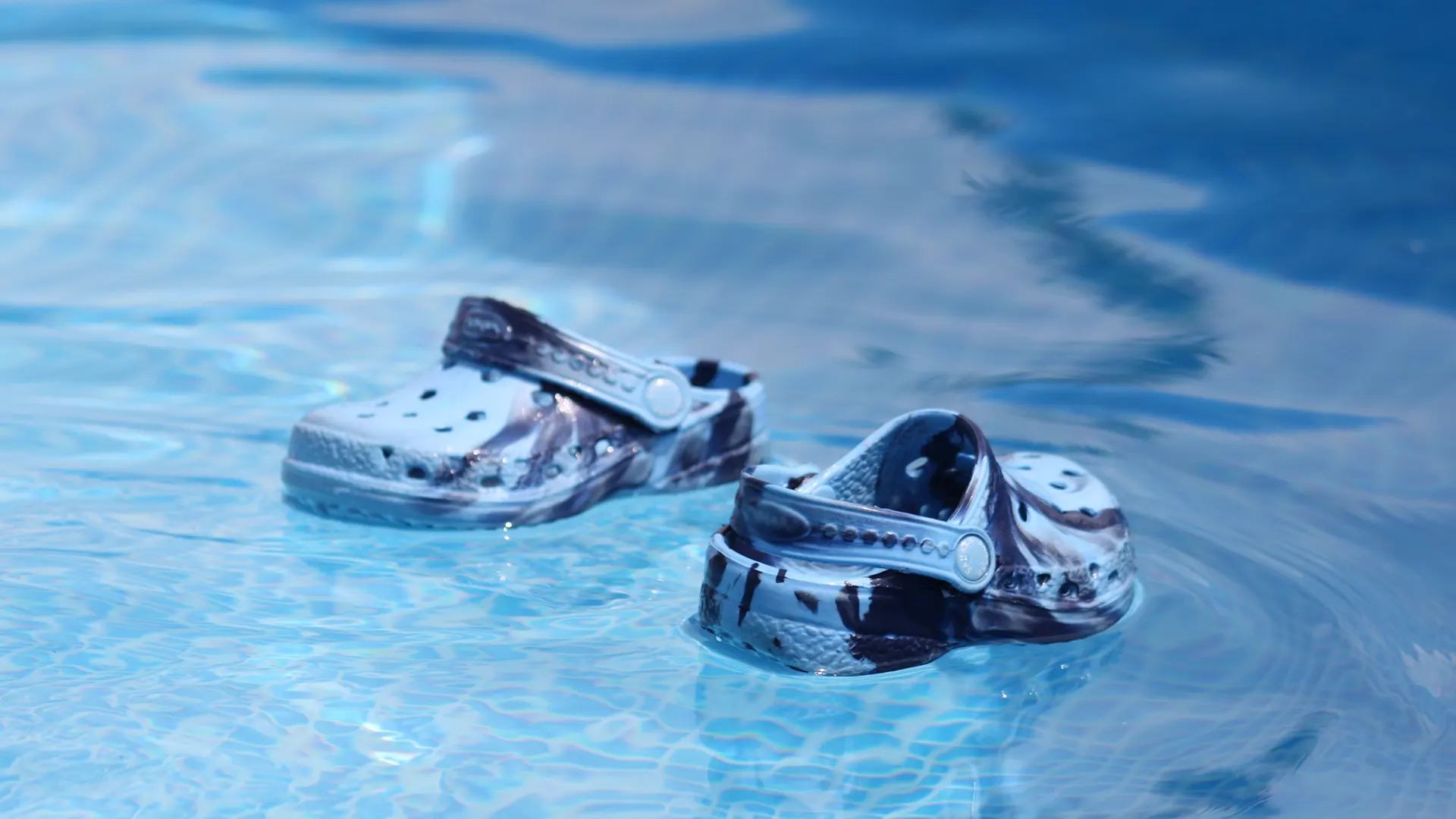
Understanding the Factors Influencing Lightweight Slippers Prices
Time:
2024-10-31
When considering the prices of lightweight slippers, it is essential to understand that various factors influence their cost. Lightweight slippers, designed for comfort and ease of wear at home, come in a wide range of styles and materials, each affecting their pricing differently.
One of the primary factors is the choice of materials. Slippers made from high-quality, breathable fabrics such as cotton or memory foam tend to be more expensive than those made from synthetic materials. The durability and comfort offered by premium materials often justify the higher price point, making them a worthwhile investment for those prioritizing long-term wear. Additionally, slippers featuring advanced moisture-wicking or temperature-regulating technologies may have higher prices due to the added benefits they provide.
Another significant factor is the production process. Slippers that are handcrafted or produced in limited quantities often carry higher price tags compared to mass-produced alternatives. This is because artisanal craftsmanship typically requires more time and skilled labor, which can increase manufacturing costs. Consumers looking for unique, high-quality options may find that these slippers offer distinct designs and superior comfort, making them appealing despite a higher price.
Market trends also play a crucial role in determining lightweight slippers prices. Seasonal demand fluctuations can lead to price variations; for example, during colder months, the demand for cozy, insulated slippers increases, possibly driving prices up. Conversely, off-season sales can present opportunities to purchase lightweight slippers at reduced prices. Furthermore, awareness of sustainability and ethical production practices has led some consumers to prioritize brands that engage in responsible manufacturing. This can influence pricing, as sustainable materials and ethical practices often come with higher costs.
Brand reputation and marketing strategies are additional elements that affect pricing. Established brands with a strong market presence may command higher prices due to perceived quality and brand loyalty. Newer brands, however, might offer competitive pricing to attract customers and establish themselves in the market.
In summary, when evaluating the prices of lightweight slippers, consumers should consider the interplay of material quality, production methods, market trends, and brand reputation. Understanding these factors can empower consumers to make informed purchasing decisions that align with their comfort needs and budget constraints. By carefully considering these elements, shoppers can find the perfect pair of lightweight slippers that provide the right balance of quality and price.
Related Products
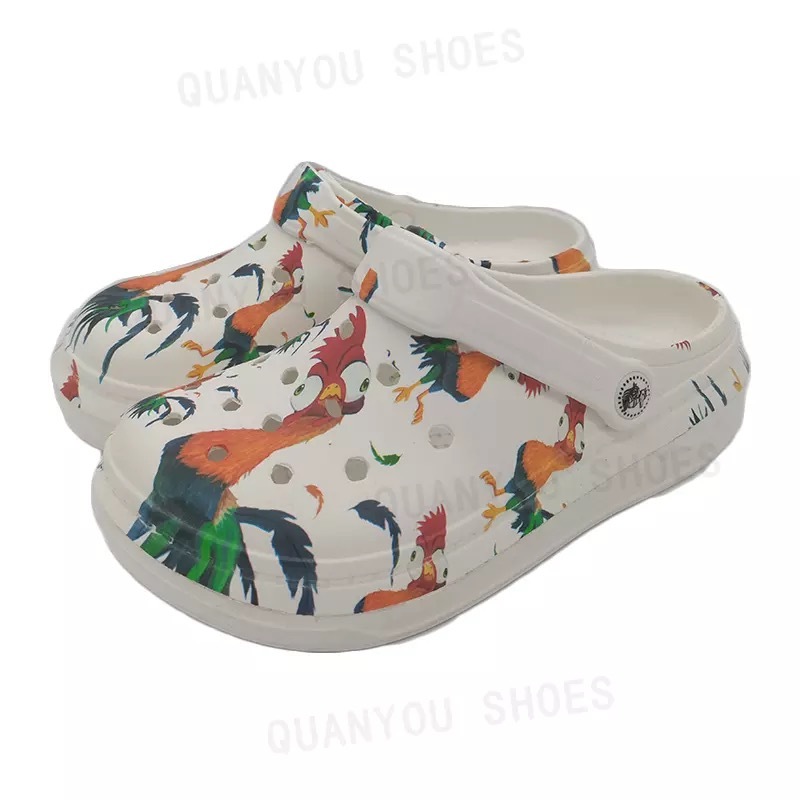
Customized Fashion Clogs for Sale
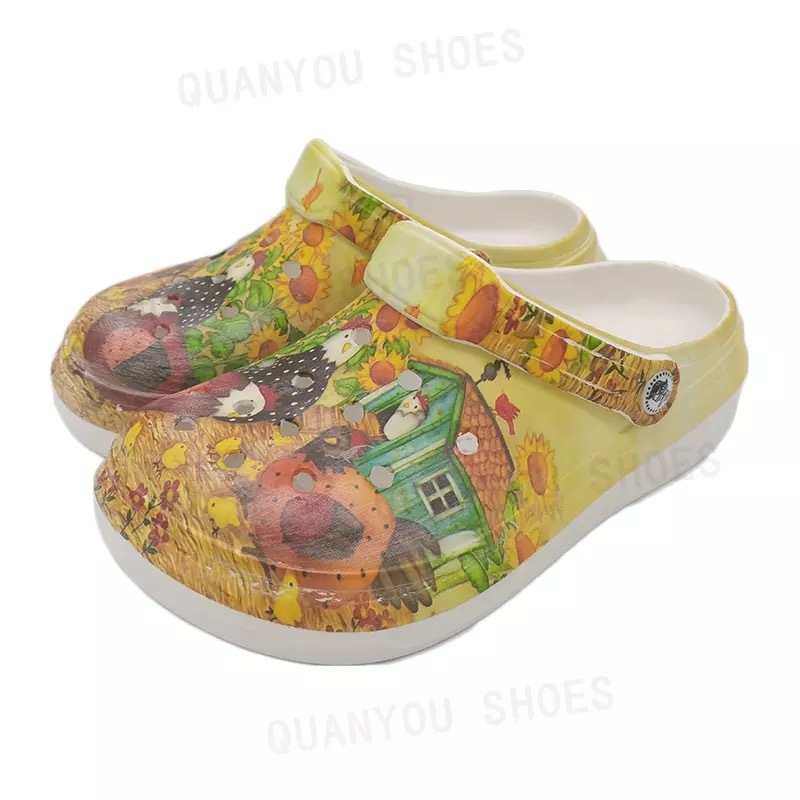
Personalized Clogs for Sale Custom Clog Shoes
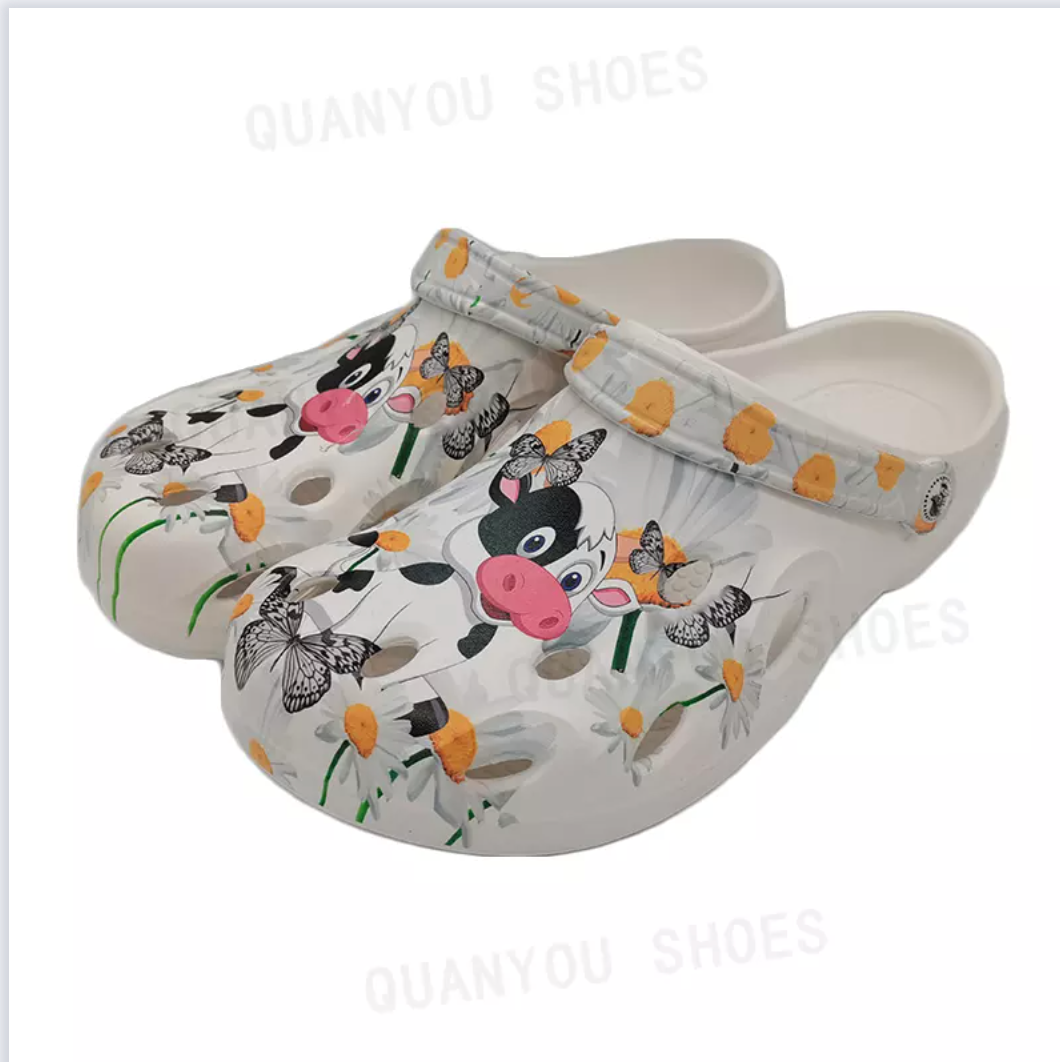
EVA Garden Clog Shoes with High Quality MOQ 1PCS
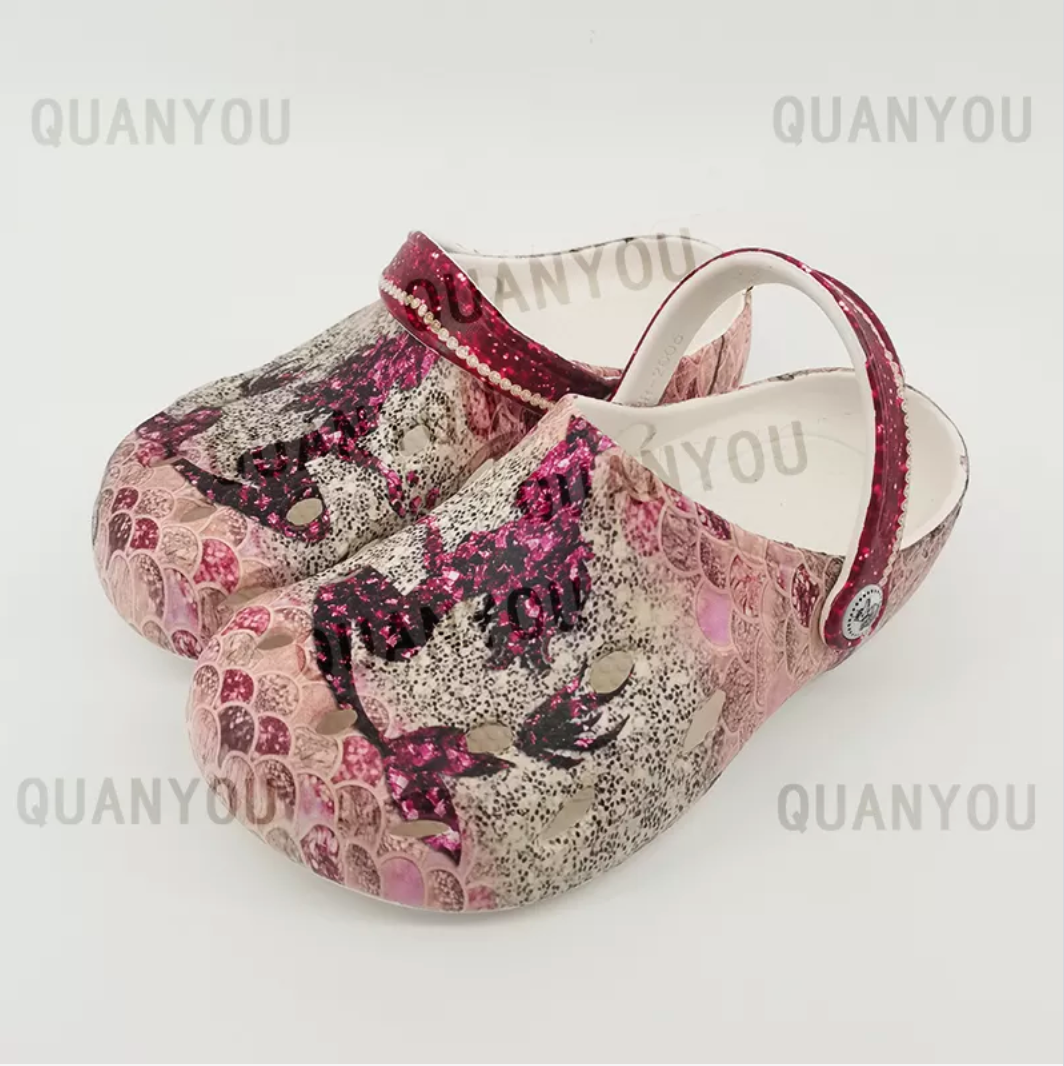

Customized Chic Clogs with Good Quality MOQ 1PCS

Custom Winter Cotton Home Slippers
EHSO
 Esperanto
 Shqiptare
 Euskara
 Zulu
Zulu
 Latinus
 Cymraeg
 தமிழ்
தமிழ்
 Slovak
 Slovak
 Afrikaans
ONLINE MESSAGES
CONTACT US
Company : Mr Zhang
Mobile: +86 15359820088
E-mail: 15359820088@189.cn
Add: No. 274, Xinmei Road, Sucuo Village, Chendai Town, Jinjiang City, Quanzhou City, Fujian Province