
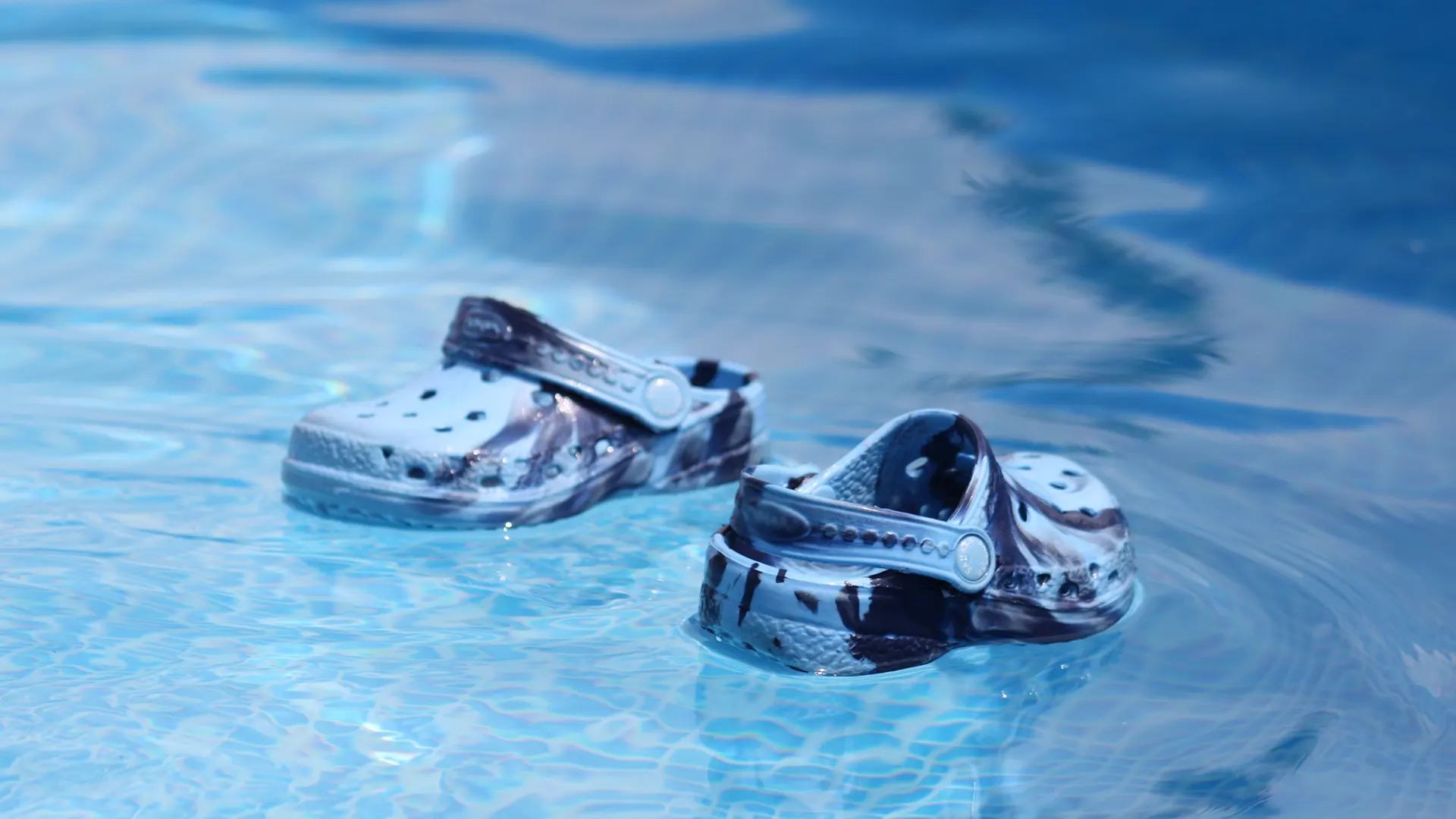
The Ultimate Guide to Choosing the Right Beach Flops: Top Tips for Finding the Perfect Footwear
Time:
2023-12-14
Table of Contents:
1. Introduction: Unveiling the Importance of Choosing the Right Beach Flops
1.
Introduction: Unveiling the Importance of Choosing the Right Beach Flops
2. Understanding the Different Types of Beach Flops
3. Factors to Consider When Selecting Beach Flops
3.1 Style and Design
3.2 Comfort and Cushioning
3.3 Durability and Quality Materials
3.4 Traction and Water Resistance
4. Choosing the Right Size and Fit for Beach Flops
5. Maintenance and Care Tips for Beach Flops
6. Frequently Asked Questions (FAQs) About Beach Flops
6.1 Are beach flops only suitable for the beach?
6.2 Can I wear beach flops for extended periods?
6.3 How often should I replace my beach flops?
6.4 Can I wear beach flops in the water?
6.5 Are there any specific features to look for in beach flops for children?
7. Conclusion: Finding Your Perfect Pair of Beach Flops
1. Introduction: Unveiling the Importance of Choosing the Right Beach Flops
When it comes to enjoying a day at the beach, your choice of footwear plays a crucial role in ensuring both comfort and style. Beach flops, also known as flip-flops, are the go-to option for many beach enthusiasts. However, not all beach flops are created equal. By selecting the right pair, you can elevate your beach experience while avoiding discomfort and potential injuries.
2. Understanding the Different Types of Beach Flops
Beach flops come in various styles and designs to cater to diverse preferences and needs. From simple rubber flips to trendy slides, understanding the different types of beach flops will help you make an informed choice. The most common types include traditional flip-flops, sporty sandals, and fashionable slides.
3. Factors to Consider When Selecting Beach Flops
3.1 Style and Design
Beach flops are not just about functionality; they are also a fashion statement. Consider your personal style and the overall look you want to achieve. Whether you prefer a classic design or something more trendy, there is a wide range of options available. Choose colors and patterns that resonate with your personality and complement your beach attire.
3.2 Comfort and Cushioning
Comfort is paramount when it comes to beach flops. Look for pairs that provide ample cushioning and support for your feet. Opt for designs with contoured footbeds and arch support to ensure optimal comfort, even during prolonged walks on the sand. Additionally, adjustable straps can offer a customized fit that enhances overall comfort.
3.3 Durability and Quality Materials
Beach flops should withstand the harsh beach environment, including exposure to sand, saltwater, and UV rays. Look for durable materials such as rubber, EVA, or neoprene. These materials are water-resistant, easy to clean, and resistant to wear and tear. Check for reinforced stitching and sturdy soles to ensure your beach flops last multiple seasons.
3.4 Traction and Water Resistance
Walking on sandy beaches requires proper traction to prevent slips and falls. Look for beach flops with textured soles or rubberized patterns that provide excellent grip on both wet and dry surfaces. Additionally, water resistance is crucial to prevent discomfort and damage caused by waterlogged flops.
4. Choosing the Right Size and Fit for Beach Flops
Proper sizing and fit are essential for optimal comfort and functionality. Refer to the manufacturer's sizing guide and measure your feet accurately. Consider any potential swelling due to heat or prolonged activity. It is advisable to choose a pair that fits snugly without causing any discomfort or friction.
5. Maintenance and Care Tips for Beach Flops
To maximize the lifespan of your beach flops, proper maintenance is crucial. Rinse them with freshwater after each use to remove sand and salt residue. Avoid leaving them in direct sunlight for extended periods, as this can cause discoloration or warping. Regularly clean your beach flops with mild soap and water, and store them in a cool, dry place to prevent mold or unpleasant odors.
6. Frequently Asked Questions (FAQs) About Beach Flops
6.1 Are beach flops only suitable for the beach?
While beach flops are designed for beach use, they can be worn in various casual settings. They are perfect for poolside lounging, summer barbecues, or strolling along the boardwalk.
6.2 Can I wear beach flops for extended periods?
While beach flops provide comfort for short durations, they may not be suitable for extensive walking or prolonged use. For long hikes or activities that require more support, consider alternative footwear options.
6.3 How often should I replace my beach flops?
The lifespan of beach flops varies depending on usage and maintenance. As a general rule, consider replacing them when you notice signs of significant wear, such as worn-out soles or straps.
6.4 Can I wear beach flops in the water?
Most beach flops are water-resistant and can withstand brief water exposure. However, prolonged submersion or exposure to saltwater may deteriorate their quality and lifespan. It is advisable to wear dedicated water shoes or sandals for extensive water activities.
6.5 Are there any specific features to look for in beach flops for children?
When choosing beach flops for children, prioritize safety and comfort. Look for pairs with adjustable straps, non-slip soles, and cushioned footbeds to ensure a secure and comfortable fit.
7. Conclusion: Finding Your Perfect Pair of Beach Flops
Choosing the right beach flops is essential for a comfortable and enjoyable beach experience. By considering factors such as style, comfort, durability, and fit, you can find the perfect pair that suits your needs and preferences. Remember to prioritize quality and proper maintenance to ensure your beach flops accompany you on many sunny adventures. Invest in your beach footwear wisely and step onto the sand with confidence.
3.
Factors to Consider When Selecting Beach Flops
3.1 Style and Design
3.2 Comfort and Cushioning
3.3 Durability and Quality Materials
3.4 Traction and Water Resistance
4. Choosing the Right Size and Fit for Beach Flops
5. Maintenance and Care Tips for Beach Flops
6. Frequently Asked Questions (FAQs) About Beach Flops
6.1 Are beach flops only suitable for the beach?
6.2 Can I wear beach flops for extended periods?
6.3 How often should I replace my beach flops?
6.4 Can I wear beach flops in the water?
6.5 Are there any specific features to look for in beach flops for children?
7. Conclusion: Finding Your Perfect Pair of Beach Flops
1. Introduction: Unveiling the Importance of Choosing the Right Beach Flops
When it comes to enjoying a day at the beach, your choice of footwear plays a crucial role in ensuring both comfort and style. Beach flops, also known as flip-flops, are the go-to option for many beach enthusiasts. However, not all beach flops are created equal. By selecting the right pair, you can elevate your beach experience while avoiding discomfort and potential injuries.
2. Understanding the Different Types of Beach Flops
Beach flops come in various styles and designs to cater to diverse preferences and needs. From simple rubber flips to trendy slides, understanding the different types of beach flops will help you make an informed choice. The most common types include traditional flip-flops, sporty sandals, and fashionable slides.
3. Factors to Consider When Selecting Beach Flops
3.1 Style and Design
Beach flops are not just about functionality; they are also a fashion statement. Consider your personal style and the overall look you want to achieve. Whether you prefer a classic design or something more trendy, there is a wide range of options available. Choose colors and patterns that resonate with your personality and complement your beach attire.
3.2 Comfort and Cushioning
Comfort is paramount when it comes to beach flops. Look for pairs that provide ample cushioning and support for your feet. Opt for designs with contoured footbeds and arch support to ensure optimal comfort, even during prolonged walks on the sand. Additionally, adjustable straps can offer a customized fit that enhances overall comfort.
3.3 Durability and Quality Materials
Beach flops should withstand the harsh beach environment, including exposure to sand, saltwater, and UV rays. Look for durable materials such as rubber, EVA, or neoprene. These materials are water-resistant, easy to clean, and resistant to wear and tear. Check for reinforced stitching and sturdy soles to ensure your beach flops last multiple seasons.
3.4 Traction and Water Resistance
Walking on sandy beaches requires proper traction to prevent slips and falls. Look for beach flops with textured soles or rubberized patterns that provide excellent grip on both wet and dry surfaces. Additionally, water resistance is crucial to prevent discomfort and damage caused by waterlogged flops.
4. Choosing the Right Size and Fit for Beach Flops
Proper sizing and fit are essential for optimal comfort and functionality. Refer to the manufacturer's sizing guide and measure your feet accurately. Consider any potential swelling due to heat or prolonged activity. It is advisable to choose a pair that fits snugly without causing any discomfort or friction.
5. Maintenance and Care Tips for Beach Flops
To maximize the lifespan of your beach flops, proper maintenance is crucial. Rinse them with freshwater after each use to remove sand and salt residue. Avoid leaving them in direct sunlight for extended periods, as this can cause discoloration or warping. Regularly clean your beach flops with mild soap and water, and store them in a cool, dry place to prevent mold or unpleasant odors.
6. Frequently Asked Questions (FAQs) About Beach Flops
6.1 Are beach flops only suitable for the beach?
While beach flops are designed for beach use, they can be worn in various casual settings. They are perfect for poolside lounging, summer barbecues, or strolling along the boardwalk.
6.2 Can I wear beach flops for extended periods?
While beach flops provide comfort for short durations, they may not be suitable for extensive walking or prolonged use. For long hikes or activities that require more support, consider alternative footwear options.
6.3 How often should I replace my beach flops?
The lifespan of beach flops varies depending on usage and maintenance. As a general rule, consider replacing them when you notice signs of significant wear, such as worn-out soles or straps.
6.4 Can I wear beach flops in the water?
Most beach flops are water-resistant and can withstand brief water exposure. However, prolonged submersion or exposure to saltwater may deteriorate their quality and lifespan. It is advisable to wear dedicated water shoes or sandals for extensive water activities.
6.5 Are there any specific features to look for in beach flops for children?
When choosing beach flops for children, prioritize safety and comfort. Look for pairs with adjustable straps, non-slip soles, and cushioned footbeds to ensure a secure and comfortable fit.
7. Conclusion: Finding Your Perfect Pair of Beach Flops
Choosing the right beach flops is essential for a comfortable and enjoyable beach experience. By considering factors such as style, comfort, durability, and fit, you can find the perfect pair that suits your needs and preferences. Remember to prioritize quality and proper maintenance to ensure your beach flops accompany you on many sunny adventures. Invest in your beach footwear wisely and step onto the sand with confidence.
3.2
Comfort and Cushioning
3.3 Durability and Quality Materials
3.4 Traction and Water Resistance
4. Choosing the Right Size and Fit for Beach Flops
5. Maintenance and Care Tips for Beach Flops
6. Frequently Asked Questions (FAQs) About Beach Flops
6.1 Are beach flops only suitable for the beach?
6.2 Can I wear beach flops for extended periods?
6.3 How often should I replace my beach flops?
6.4 Can I wear beach flops in the water?
6.5 Are there any specific features to look for in beach flops for children?
7. Conclusion: Finding Your Perfect Pair of Beach Flops
1. Introduction: Unveiling the Importance of Choosing the Right Beach Flops
When it comes to enjoying a day at the beach, your choice of footwear plays a crucial role in ensuring both comfort and style. Beach flops, also known as flip-flops, are the go-to option for many beach enthusiasts. However, not all beach flops are created equal. By selecting the right pair, you can elevate your beach experience while avoiding discomfort and potential injuries.
2. Understanding the Different Types of Beach Flops
Beach flops come in various styles and designs to cater to diverse preferences and needs. From simple rubber flips to trendy slides, understanding the different types of beach flops will help you make an informed choice. The most common types include traditional flip-flops, sporty sandals, and fashionable slides.
3. Factors to Consider When Selecting Beach Flops
3.1 Style and Design
Beach flops are not just about functionality; they are also a fashion statement. Consider your personal style and the overall look you want to achieve. Whether you prefer a classic design or something more trendy, there is a wide range of options available. Choose colors and patterns that resonate with your personality and complement your beach attire.
3.2 Comfort and Cushioning
Comfort is paramount when it comes to beach flops. Look for pairs that provide ample cushioning and support for your feet. Opt for designs with contoured footbeds and arch support to ensure optimal comfort, even during prolonged walks on the sand. Additionally, adjustable straps can offer a customized fit that enhances overall comfort.
3.3 Durability and Quality Materials
Beach flops should withstand the harsh beach environment, including exposure to sand, saltwater, and UV rays. Look for durable materials such as rubber, EVA, or neoprene. These materials are water-resistant, easy to clean, and resistant to wear and tear. Check for reinforced stitching and sturdy soles to ensure your beach flops last multiple seasons.
3.4 Traction and Water Resistance
Walking on sandy beaches requires proper traction to prevent slips and falls. Look for beach flops with textured soles or rubberized patterns that provide excellent grip on both wet and dry surfaces. Additionally, water resistance is crucial to prevent discomfort and damage caused by waterlogged flops.
4. Choosing the Right Size and Fit for Beach Flops
Proper sizing and fit are essential for optimal comfort and functionality. Refer to the manufacturer's sizing guide and measure your feet accurately. Consider any potential swelling due to heat or prolonged activity. It is advisable to choose a pair that fits snugly without causing any discomfort or friction.
5. Maintenance and Care Tips for Beach Flops
To maximize the lifespan of your beach flops, proper maintenance is crucial. Rinse them with freshwater after each use to remove sand and salt residue. Avoid leaving them in direct sunlight for extended periods, as this can cause discoloration or warping. Regularly clean your beach flops with mild soap and water, and store them in a cool, dry place to prevent mold or unpleasant odors.
6. Frequently Asked Questions (FAQs) About Beach Flops
6.1 Are beach flops only suitable for the beach?
While beach flops are designed for beach use, they can be worn in various casual settings. They are perfect for poolside lounging, summer barbecues, or strolling along the boardwalk.
6.2 Can I wear beach flops for extended periods?
While beach flops provide comfort for short durations, they may not be suitable for extensive walking or prolonged use. For long hikes or activities that require more support, consider alternative footwear options.
6.3 How often should I replace my beach flops?
The lifespan of beach flops varies depending on usage and maintenance. As a general rule, consider replacing them when you notice signs of significant wear, such as worn-out soles or straps.
6.4 Can I wear beach flops in the water?
Most beach flops are water-resistant and can withstand brief water exposure. However, prolonged submersion or exposure to saltwater may deteriorate their quality and lifespan. It is advisable to wear dedicated water shoes or sandals for extensive water activities.
6.5 Are there any specific features to look for in beach flops for children?
When choosing beach flops for children, prioritize safety and comfort. Look for pairs with adjustable straps, non-slip soles, and cushioned footbeds to ensure a secure and comfortable fit.
7. Conclusion: Finding Your Perfect Pair of Beach Flops
Choosing the right beach flops is essential for a comfortable and enjoyable beach experience. By considering factors such as style, comfort, durability, and fit, you can find the perfect pair that suits your needs and preferences. Remember to prioritize quality and proper maintenance to ensure your beach flops accompany you on many sunny adventures. Invest in your beach footwear wisely and step onto the sand with confidence.
3.4
Traction and Water Resistance
4. Choosing the Right Size and Fit for Beach Flops
5. Maintenance and Care Tips for Beach Flops
6. Frequently Asked Questions (FAQs) About Beach Flops
6.1 Are beach flops only suitable for the beach?
6.2 Can I wear beach flops for extended periods?
6.3 How often should I replace my beach flops?
6.4 Can I wear beach flops in the water?
6.5 Are there any specific features to look for in beach flops for children?
7. Conclusion: Finding Your Perfect Pair of Beach Flops
1. Introduction: Unveiling the Importance of Choosing the Right Beach Flops
When it comes to enjoying a day at the beach, your choice of footwear plays a crucial role in ensuring both comfort and style. Beach flops, also known as flip-flops, are the go-to option for many beach enthusiasts. However, not all beach flops are created equal. By selecting the right pair, you can elevate your beach experience while avoiding discomfort and potential injuries.
2. Understanding the Different Types of Beach Flops
Beach flops come in various styles and designs to cater to diverse preferences and needs. From simple rubber flips to trendy slides, understanding the different types of beach flops will help you make an informed choice. The most common types include traditional flip-flops, sporty sandals, and fashionable slides.
3. Factors to Consider When Selecting Beach Flops
3.1 Style and Design
Beach flops are not just about functionality; they are also a fashion statement. Consider your personal style and the overall look you want to achieve. Whether you prefer a classic design or something more trendy, there is a wide range of options available. Choose colors and patterns that resonate with your personality and complement your beach attire.
3.2 Comfort and Cushioning
Comfort is paramount when it comes to beach flops. Look for pairs that provide ample cushioning and support for your feet. Opt for designs with contoured footbeds and arch support to ensure optimal comfort, even during prolonged walks on the sand. Additionally, adjustable straps can offer a customized fit that enhances overall comfort.
3.3 Durability and Quality Materials
Beach flops should withstand the harsh beach environment, including exposure to sand, saltwater, and UV rays. Look for durable materials such as rubber, EVA, or neoprene. These materials are water-resistant, easy to clean, and resistant to wear and tear. Check for reinforced stitching and sturdy soles to ensure your beach flops last multiple seasons.
3.4 Traction and Water Resistance
Walking on sandy beaches requires proper traction to prevent slips and falls. Look for beach flops with textured soles or rubberized patterns that provide excellent grip on both wet and dry surfaces. Additionally, water resistance is crucial to prevent discomfort and damage caused by waterlogged flops.
4. Choosing the Right Size and Fit for Beach Flops
Proper sizing and fit are essential for optimal comfort and functionality. Refer to the manufacturer's sizing guide and measure your feet accurately. Consider any potential swelling due to heat or prolonged activity. It is advisable to choose a pair that fits snugly without causing any discomfort or friction.
5. Maintenance and Care Tips for Beach Flops
To maximize the lifespan of your beach flops, proper maintenance is crucial. Rinse them with freshwater after each use to remove sand and salt residue. Avoid leaving them in direct sunlight for extended periods, as this can cause discoloration or warping. Regularly clean your beach flops with mild soap and water, and store them in a cool, dry place to prevent mold or unpleasant odors.
6. Frequently Asked Questions (FAQs) About Beach Flops
6.1 Are beach flops only suitable for the beach?
While beach flops are designed for beach use, they can be worn in various casual settings. They are perfect for poolside lounging, summer barbecues, or strolling along the boardwalk.
6.2 Can I wear beach flops for extended periods?
While beach flops provide comfort for short durations, they may not be suitable for extensive walking or prolonged use. For long hikes or activities that require more support, consider alternative footwear options.
6.3 How often should I replace my beach flops?
The lifespan of beach flops varies depending on usage and maintenance. As a general rule, consider replacing them when you notice signs of significant wear, such as worn-out soles or straps.
6.4 Can I wear beach flops in the water?
Most beach flops are water-resistant and can withstand brief water exposure. However, prolonged submersion or exposure to saltwater may deteriorate their quality and lifespan. It is advisable to wear dedicated water shoes or sandals for extensive water activities.
6.5 Are there any specific features to look for in beach flops for children?
When choosing beach flops for children, prioritize safety and comfort. Look for pairs with adjustable straps, non-slip soles, and cushioned footbeds to ensure a secure and comfortable fit.
7. Conclusion: Finding Your Perfect Pair of Beach Flops
Choosing the right beach flops is essential for a comfortable and enjoyable beach experience. By considering factors such as style, comfort, durability, and fit, you can find the perfect pair that suits your needs and preferences. Remember to prioritize quality and proper maintenance to ensure your beach flops accompany you on many sunny adventures. Invest in your beach footwear wisely and step onto the sand with confidence.
5.
Maintenance and Care Tips for Beach Flops
6. Frequently Asked Questions (FAQs) About Beach Flops
6.1 Are beach flops only suitable for the beach?
6.2 Can I wear beach flops for extended periods?
6.3 How often should I replace my beach flops?
6.4 Can I wear beach flops in the water?
6.5 Are there any specific features to look for in beach flops for children?
7. Conclusion: Finding Your Perfect Pair of Beach Flops
1. Introduction: Unveiling the Importance of Choosing the Right Beach Flops
When it comes to enjoying a day at the beach, your choice of footwear plays a crucial role in ensuring both comfort and style. Beach flops, also known as flip-flops, are the go-to option for many beach enthusiasts. However, not all beach flops are created equal. By selecting the right pair, you can elevate your beach experience while avoiding discomfort and potential injuries.
2. Understanding the Different Types of Beach Flops
Beach flops come in various styles and designs to cater to diverse preferences and needs. From simple rubber flips to trendy slides, understanding the different types of beach flops will help you make an informed choice. The most common types include traditional flip-flops, sporty sandals, and fashionable slides.
3. Factors to Consider When Selecting Beach Flops
3.1 Style and Design
Beach flops are not just about functionality; they are also a fashion statement. Consider your personal style and the overall look you want to achieve. Whether you prefer a classic design or something more trendy, there is a wide range of options available. Choose colors and patterns that resonate with your personality and complement your beach attire.
3.2 Comfort and Cushioning
Comfort is paramount when it comes to beach flops. Look for pairs that provide ample cushioning and support for your feet. Opt for designs with contoured footbeds and arch support to ensure optimal comfort, even during prolonged walks on the sand. Additionally, adjustable straps can offer a customized fit that enhances overall comfort.
3.3 Durability and Quality Materials
Beach flops should withstand the harsh beach environment, including exposure to sand, saltwater, and UV rays. Look for durable materials such as rubber, EVA, or neoprene. These materials are water-resistant, easy to clean, and resistant to wear and tear. Check for reinforced stitching and sturdy soles to ensure your beach flops last multiple seasons.
3.4 Traction and Water Resistance
Walking on sandy beaches requires proper traction to prevent slips and falls. Look for beach flops with textured soles or rubberized patterns that provide excellent grip on both wet and dry surfaces. Additionally, water resistance is crucial to prevent discomfort and damage caused by waterlogged flops.
4. Choosing the Right Size and Fit for Beach Flops
Proper sizing and fit are essential for optimal comfort and functionality. Refer to the manufacturer's sizing guide and measure your feet accurately. Consider any potential swelling due to heat or prolonged activity. It is advisable to choose a pair that fits snugly without causing any discomfort or friction.
5. Maintenance and Care Tips for Beach Flops
To maximize the lifespan of your beach flops, proper maintenance is crucial. Rinse them with freshwater after each use to remove sand and salt residue. Avoid leaving them in direct sunlight for extended periods, as this can cause discoloration or warping. Regularly clean your beach flops with mild soap and water, and store them in a cool, dry place to prevent mold or unpleasant odors.
6. Frequently Asked Questions (FAQs) About Beach Flops
6.1 Are beach flops only suitable for the beach?
While beach flops are designed for beach use, they can be worn in various casual settings. They are perfect for poolside lounging, summer barbecues, or strolling along the boardwalk.
6.2 Can I wear beach flops for extended periods?
While beach flops provide comfort for short durations, they may not be suitable for extensive walking or prolonged use. For long hikes or activities that require more support, consider alternative footwear options.
6.3 How often should I replace my beach flops?
The lifespan of beach flops varies depending on usage and maintenance. As a general rule, consider replacing them when you notice signs of significant wear, such as worn-out soles or straps.
6.4 Can I wear beach flops in the water?
Most beach flops are water-resistant and can withstand brief water exposure. However, prolonged submersion or exposure to saltwater may deteriorate their quality and lifespan. It is advisable to wear dedicated water shoes or sandals for extensive water activities.
6.5 Are there any specific features to look for in beach flops for children?
When choosing beach flops for children, prioritize safety and comfort. Look for pairs with adjustable straps, non-slip soles, and cushioned footbeds to ensure a secure and comfortable fit.
7. Conclusion: Finding Your Perfect Pair of Beach Flops
Choosing the right beach flops is essential for a comfortable and enjoyable beach experience. By considering factors such as style, comfort, durability, and fit, you can find the perfect pair that suits your needs and preferences. Remember to prioritize quality and proper maintenance to ensure your beach flops accompany you on many sunny adventures. Invest in your beach footwear wisely and step onto the sand with confidence.
6.1
Are beach flops only suitable for the beach?
6.2 Can I wear beach flops for extended periods?
6.3 How often should I replace my beach flops?
6.4 Can I wear beach flops in the water?
6.5 Are there any specific features to look for in beach flops for children?
7. Conclusion: Finding Your Perfect Pair of Beach Flops
1. Introduction: Unveiling the Importance of Choosing the Right Beach Flops
When it comes to enjoying a day at the beach, your choice of footwear plays a crucial role in ensuring both comfort and style. Beach flops, also known as flip-flops, are the go-to option for many beach enthusiasts. However, not all beach flops are created equal. By selecting the right pair, you can elevate your beach experience while avoiding discomfort and potential injuries.
2. Understanding the Different Types of Beach Flops
Beach flops come in various styles and designs to cater to diverse preferences and needs. From simple rubber flips to trendy slides, understanding the different types of beach flops will help you make an informed choice. The most common types include traditional flip-flops, sporty sandals, and fashionable slides.
3. Factors to Consider When Selecting Beach Flops
3.1 Style and Design
Beach flops are not just about functionality; they are also a fashion statement. Consider your personal style and the overall look you want to achieve. Whether you prefer a classic design or something more trendy, there is a wide range of options available. Choose colors and patterns that resonate with your personality and complement your beach attire.
3.2 Comfort and Cushioning
Comfort is paramount when it comes to beach flops. Look for pairs that provide ample cushioning and support for your feet. Opt for designs with contoured footbeds and arch support to ensure optimal comfort, even during prolonged walks on the sand. Additionally, adjustable straps can offer a customized fit that enhances overall comfort.
3.3 Durability and Quality Materials
Beach flops should withstand the harsh beach environment, including exposure to sand, saltwater, and UV rays. Look for durable materials such as rubber, EVA, or neoprene. These materials are water-resistant, easy to clean, and resistant to wear and tear. Check for reinforced stitching and sturdy soles to ensure your beach flops last multiple seasons.
3.4 Traction and Water Resistance
Walking on sandy beaches requires proper traction to prevent slips and falls. Look for beach flops with textured soles or rubberized patterns that provide excellent grip on both wet and dry surfaces. Additionally, water resistance is crucial to prevent discomfort and damage caused by waterlogged flops.
4. Choosing the Right Size and Fit for Beach Flops
Proper sizing and fit are essential for optimal comfort and functionality. Refer to the manufacturer's sizing guide and measure your feet accurately. Consider any potential swelling due to heat or prolonged activity. It is advisable to choose a pair that fits snugly without causing any discomfort or friction.
5. Maintenance and Care Tips for Beach Flops
To maximize the lifespan of your beach flops, proper maintenance is crucial. Rinse them with freshwater after each use to remove sand and salt residue. Avoid leaving them in direct sunlight for extended periods, as this can cause discoloration or warping. Regularly clean your beach flops with mild soap and water, and store them in a cool, dry place to prevent mold or unpleasant odors.
6. Frequently Asked Questions (FAQs) About Beach Flops
6.1 Are beach flops only suitable for the beach?
While beach flops are designed for beach use, they can be worn in various casual settings. They are perfect for poolside lounging, summer barbecues, or strolling along the boardwalk.
6.2 Can I wear beach flops for extended periods?
While beach flops provide comfort for short durations, they may not be suitable for extensive walking or prolonged use. For long hikes or activities that require more support, consider alternative footwear options.
6.3 How often should I replace my beach flops?
The lifespan of beach flops varies depending on usage and maintenance. As a general rule, consider replacing them when you notice signs of significant wear, such as worn-out soles or straps.
6.4 Can I wear beach flops in the water?
Most beach flops are water-resistant and can withstand brief water exposure. However, prolonged submersion or exposure to saltwater may deteriorate their quality and lifespan. It is advisable to wear dedicated water shoes or sandals for extensive water activities.
6.5 Are there any specific features to look for in beach flops for children?
When choosing beach flops for children, prioritize safety and comfort. Look for pairs with adjustable straps, non-slip soles, and cushioned footbeds to ensure a secure and comfortable fit.
7. Conclusion: Finding Your Perfect Pair of Beach Flops
Choosing the right beach flops is essential for a comfortable and enjoyable beach experience. By considering factors such as style, comfort, durability, and fit, you can find the perfect pair that suits your needs and preferences. Remember to prioritize quality and proper maintenance to ensure your beach flops accompany you on many sunny adventures. Invest in your beach footwear wisely and step onto the sand with confidence.
6.3
How often should I replace my beach flops?
6.4 Can I wear beach flops in the water?
6.5 Are there any specific features to look for in beach flops for children?
7. Conclusion: Finding Your Perfect Pair of Beach Flops
1. Introduction: Unveiling the Importance of Choosing the Right Beach Flops
When it comes to enjoying a day at the beach, your choice of footwear plays a crucial role in ensuring both comfort and style. Beach flops, also known as flip-flops, are the go-to option for many beach enthusiasts. However, not all beach flops are created equal. By selecting the right pair, you can elevate your beach experience while avoiding discomfort and potential injuries.
2. Understanding the Different Types of Beach Flops
Beach flops come in various styles and designs to cater to diverse preferences and needs. From simple rubber flips to trendy slides, understanding the different types of beach flops will help you make an informed choice. The most common types include traditional flip-flops, sporty sandals, and fashionable slides.
3. Factors to Consider When Selecting Beach Flops
3.1 Style and Design
Beach flops are not just about functionality; they are also a fashion statement. Consider your personal style and the overall look you want to achieve. Whether you prefer a classic design or something more trendy, there is a wide range of options available. Choose colors and patterns that resonate with your personality and complement your beach attire.
3.2 Comfort and Cushioning
Comfort is paramount when it comes to beach flops. Look for pairs that provide ample cushioning and support for your feet. Opt for designs with contoured footbeds and arch support to ensure optimal comfort, even during prolonged walks on the sand. Additionally, adjustable straps can offer a customized fit that enhances overall comfort.
3.3 Durability and Quality Materials
Beach flops should withstand the harsh beach environment, including exposure to sand, saltwater, and UV rays. Look for durable materials such as rubber, EVA, or neoprene. These materials are water-resistant, easy to clean, and resistant to wear and tear. Check for reinforced stitching and sturdy soles to ensure your beach flops last multiple seasons.
3.4 Traction and Water Resistance
Walking on sandy beaches requires proper traction to prevent slips and falls. Look for beach flops with textured soles or rubberized patterns that provide excellent grip on both wet and dry surfaces. Additionally, water resistance is crucial to prevent discomfort and damage caused by waterlogged flops.
4. Choosing the Right Size and Fit for Beach Flops
Proper sizing and fit are essential for optimal comfort and functionality. Refer to the manufacturer's sizing guide and measure your feet accurately. Consider any potential swelling due to heat or prolonged activity. It is advisable to choose a pair that fits snugly without causing any discomfort or friction.
5. Maintenance and Care Tips for Beach Flops
To maximize the lifespan of your beach flops, proper maintenance is crucial. Rinse them with freshwater after each use to remove sand and salt residue. Avoid leaving them in direct sunlight for extended periods, as this can cause discoloration or warping. Regularly clean your beach flops with mild soap and water, and store them in a cool, dry place to prevent mold or unpleasant odors.
6. Frequently Asked Questions (FAQs) About Beach Flops
6.1 Are beach flops only suitable for the beach?
While beach flops are designed for beach use, they can be worn in various casual settings. They are perfect for poolside lounging, summer barbecues, or strolling along the boardwalk.
6.2 Can I wear beach flops for extended periods?
While beach flops provide comfort for short durations, they may not be suitable for extensive walking or prolonged use. For long hikes or activities that require more support, consider alternative footwear options.
6.3 How often should I replace my beach flops?
The lifespan of beach flops varies depending on usage and maintenance. As a general rule, consider replacing them when you notice signs of significant wear, such as worn-out soles or straps.
6.4 Can I wear beach flops in the water?
Most beach flops are water-resistant and can withstand brief water exposure. However, prolonged submersion or exposure to saltwater may deteriorate their quality and lifespan. It is advisable to wear dedicated water shoes or sandals for extensive water activities.
6.5 Are there any specific features to look for in beach flops for children?
When choosing beach flops for children, prioritize safety and comfort. Look for pairs with adjustable straps, non-slip soles, and cushioned footbeds to ensure a secure and comfortable fit.
7. Conclusion: Finding Your Perfect Pair of Beach Flops
Choosing the right beach flops is essential for a comfortable and enjoyable beach experience. By considering factors such as style, comfort, durability, and fit, you can find the perfect pair that suits your needs and preferences. Remember to prioritize quality and proper maintenance to ensure your beach flops accompany you on many sunny adventures. Invest in your beach footwear wisely and step onto the sand with confidence.
6.5
Are there any specific features to look for in beach flops for children?
7. Conclusion: Finding Your Perfect Pair of Beach Flops
1. Introduction: Unveiling the Importance of Choosing the Right Beach Flops
When it comes to enjoying a day at the beach, your choice of footwear plays a crucial role in ensuring both comfort and style. Beach flops, also known as flip-flops, are the go-to option for many beach enthusiasts. However, not all beach flops are created equal. By selecting the right pair, you can elevate your beach experience while avoiding discomfort and potential injuries.
2. Understanding the Different Types of Beach Flops
Beach flops come in various styles and designs to cater to diverse preferences and needs. From simple rubber flips to trendy slides, understanding the different types of beach flops will help you make an informed choice. The most common types include traditional flip-flops, sporty sandals, and fashionable slides.
3. Factors to Consider When Selecting Beach Flops
3.1 Style and Design
Beach flops are not just about functionality; they are also a fashion statement. Consider your personal style and the overall look you want to achieve. Whether you prefer a classic design or something more trendy, there is a wide range of options available. Choose colors and patterns that resonate with your personality and complement your beach attire.
3.2 Comfort and Cushioning
Comfort is paramount when it comes to beach flops. Look for pairs that provide ample cushioning and support for your feet. Opt for designs with contoured footbeds and arch support to ensure optimal comfort, even during prolonged walks on the sand. Additionally, adjustable straps can offer a customized fit that enhances overall comfort.
3.3 Durability and Quality Materials
Beach flops should withstand the harsh beach environment, including exposure to sand, saltwater, and UV rays. Look for durable materials such as rubber, EVA, or neoprene. These materials are water-resistant, easy to clean, and resistant to wear and tear. Check for reinforced stitching and sturdy soles to ensure your beach flops last multiple seasons.
3.4 Traction and Water Resistance
Walking on sandy beaches requires proper traction to prevent slips and falls. Look for beach flops with textured soles or rubberized patterns that provide excellent grip on both wet and dry surfaces. Additionally, water resistance is crucial to prevent discomfort and damage caused by waterlogged flops.
4. Choosing the Right Size and Fit for Beach Flops
Proper sizing and fit are essential for optimal comfort and functionality. Refer to the manufacturer's sizing guide and measure your feet accurately. Consider any potential swelling due to heat or prolonged activity. It is advisable to choose a pair that fits snugly without causing any discomfort or friction.
5. Maintenance and Care Tips for Beach Flops
To maximize the lifespan of your beach flops, proper maintenance is crucial. Rinse them with freshwater after each use to remove sand and salt residue. Avoid leaving them in direct sunlight for extended periods, as this can cause discoloration or warping. Regularly clean your beach flops with mild soap and water, and store them in a cool, dry place to prevent mold or unpleasant odors.
6. Frequently Asked Questions (FAQs) About Beach Flops
6.1 Are beach flops only suitable for the beach?
While beach flops are designed for beach use, they can be worn in various casual settings. They are perfect for poolside lounging, summer barbecues, or strolling along the boardwalk.
6.2 Can I wear beach flops for extended periods?
While beach flops provide comfort for short durations, they may not be suitable for extensive walking or prolonged use. For long hikes or activities that require more support, consider alternative footwear options.
6.3 How often should I replace my beach flops?
The lifespan of beach flops varies depending on usage and maintenance. As a general rule, consider replacing them when you notice signs of significant wear, such as worn-out soles or straps.
6.4 Can I wear beach flops in the water?
Most beach flops are water-resistant and can withstand brief water exposure. However, prolonged submersion or exposure to saltwater may deteriorate their quality and lifespan. It is advisable to wear dedicated water shoes or sandals for extensive water activities.
6.5 Are there any specific features to look for in beach flops for children?
When choosing beach flops for children, prioritize safety and comfort. Look for pairs with adjustable straps, non-slip soles, and cushioned footbeds to ensure a secure and comfortable fit.
7. Conclusion: Finding Your Perfect Pair of Beach Flops
Choosing the right beach flops is essential for a comfortable and enjoyable beach experience. By considering factors such as style, comfort, durability, and fit, you can find the perfect pair that suits your needs and preferences. Remember to prioritize quality and proper maintenance to ensure your beach flops accompany you on many sunny adventures. Invest in your beach footwear wisely and step onto the sand with confidence.
1.
Introduction: Unveiling the Importance of Choosing the Right Beach Flops
When it comes to enjoying a day at the beach, your choice of footwear plays a crucial role in ensuring both comfort and style. Beach flops, also known as flip-flops, are the go-to option for many beach enthusiasts. However, not all beach flops are created equal. By selecting the right pair, you can elevate your beach experience while avoiding discomfort and potential injuries.
2. Understanding the Different Types of Beach Flops
Beach flops come in various styles and designs to cater to diverse preferences and needs. From simple rubber flips to trendy slides, understanding the different types of beach flops will help you make an informed choice. The most common types include traditional flip-flops, sporty sandals, and fashionable slides.
3. Factors to Consider When Selecting Beach Flops
3.1 Style and Design
Beach flops are not just about functionality; they are also a fashion statement. Consider your personal style and the overall look you want to achieve. Whether you prefer a classic design or something more trendy, there is a wide range of options available. Choose colors and patterns that resonate with your personality and complement your beach attire.
3.2 Comfort and Cushioning
Comfort is paramount when it comes to beach flops. Look for pairs that provide ample cushioning and support for your feet. Opt for designs with contoured footbeds and arch support to ensure optimal comfort, even during prolonged walks on the sand. Additionally, adjustable straps can offer a customized fit that enhances overall comfort.
3.3 Durability and Quality Materials
Beach flops should withstand the harsh beach environment, including exposure to sand, saltwater, and UV rays. Look for durable materials such as rubber, EVA, or neoprene. These materials are water-resistant, easy to clean, and resistant to wear and tear. Check for reinforced stitching and sturdy soles to ensure your beach flops last multiple seasons.
3.4 Traction and Water Resistance
Walking on sandy beaches requires proper traction to prevent slips and falls. Look for beach flops with textured soles or rubberized patterns that provide excellent grip on both wet and dry surfaces. Additionally, water resistance is crucial to prevent discomfort and damage caused by waterlogged flops.
4. Choosing the Right Size and Fit for Beach Flops
Proper sizing and fit are essential for optimal comfort and functionality. Refer to the manufacturer's sizing guide and measure your feet accurately. Consider any potential swelling due to heat or prolonged activity. It is advisable to choose a pair that fits snugly without causing any discomfort or friction.
5. Maintenance and Care Tips for Beach Flops
To maximize the lifespan of your beach flops, proper maintenance is crucial. Rinse them with freshwater after each use to remove sand and salt residue. Avoid leaving them in direct sunlight for extended periods, as this can cause discoloration or warping. Regularly clean your beach flops with mild soap and water, and store them in a cool, dry place to prevent mold or unpleasant odors.
6. Frequently Asked Questions (FAQs) About Beach Flops
6.1 Are beach flops only suitable for the beach?
While beach flops are designed for beach use, they can be worn in various casual settings. They are perfect for poolside lounging, summer barbecues, or strolling along the boardwalk.
6.2 Can I wear beach flops for extended periods?
While beach flops provide comfort for short durations, they may not be suitable for extensive walking or prolonged use. For long hikes or activities that require more support, consider alternative footwear options.
6.3 How often should I replace my beach flops?
The lifespan of beach flops varies depending on usage and maintenance. As a general rule, consider replacing them when you notice signs of significant wear, such as worn-out soles or straps.
6.4 Can I wear beach flops in the water?
Most beach flops are water-resistant and can withstand brief water exposure. However, prolonged submersion or exposure to saltwater may deteriorate their quality and lifespan. It is advisable to wear dedicated water shoes or sandals for extensive water activities.
6.5 Are there any specific features to look for in beach flops for children?
When choosing beach flops for children, prioritize safety and comfort. Look for pairs with adjustable straps, non-slip soles, and cushioned footbeds to ensure a secure and comfortable fit.
7. Conclusion: Finding Your Perfect Pair of Beach Flops
Choosing the right beach flops is essential for a comfortable and enjoyable beach experience. By considering factors such as style, comfort, durability, and fit, you can find the perfect pair that suits your needs and preferences. Remember to prioritize quality and proper maintenance to ensure your beach flops accompany you on many sunny adventures. Invest in your beach footwear wisely and step onto the sand with confidence.
Beach flops come in various styles and designs to cater to diverse preferences and needs. From simple rubber flips to trendy slides, understanding the different types of beach flops will help you make an informed choice. The most common types include traditional flip-flops, sporty sandals, and fashionable slides.
3.
Factors to Consider When Selecting Beach Flops
3.1 Style and Design
Beach flops are not just about functionality; they are also a fashion statement. Consider your personal style and the overall look you want to achieve. Whether you prefer a classic design or something more trendy, there is a wide range of options available. Choose colors and patterns that resonate with your personality and complement your beach attire.
3.2 Comfort and Cushioning
Comfort is paramount when it comes to beach flops. Look for pairs that provide ample cushioning and support for your feet. Opt for designs with contoured footbeds and arch support to ensure optimal comfort, even during prolonged walks on the sand. Additionally, adjustable straps can offer a customized fit that enhances overall comfort.
3.3 Durability and Quality Materials
Beach flops should withstand the harsh beach environment, including exposure to sand, saltwater, and UV rays. Look for durable materials such as rubber, EVA, or neoprene. These materials are water-resistant, easy to clean, and resistant to wear and tear. Check for reinforced stitching and sturdy soles to ensure your beach flops last multiple seasons.
3.4 Traction and Water Resistance
Walking on sandy beaches requires proper traction to prevent slips and falls. Look for beach flops with textured soles or rubberized patterns that provide excellent grip on both wet and dry surfaces. Additionally, water resistance is crucial to prevent discomfort and damage caused by waterlogged flops.
4. Choosing the Right Size and Fit for Beach Flops
Proper sizing and fit are essential for optimal comfort and functionality. Refer to the manufacturer's sizing guide and measure your feet accurately. Consider any potential swelling due to heat or prolonged activity. It is advisable to choose a pair that fits snugly without causing any discomfort or friction.
5. Maintenance and Care Tips for Beach Flops
To maximize the lifespan of your beach flops, proper maintenance is crucial. Rinse them with freshwater after each use to remove sand and salt residue. Avoid leaving them in direct sunlight for extended periods, as this can cause discoloration or warping. Regularly clean your beach flops with mild soap and water, and store them in a cool, dry place to prevent mold or unpleasant odors.
6. Frequently Asked Questions (FAQs) About Beach Flops
6.1 Are beach flops only suitable for the beach?
While beach flops are designed for beach use, they can be worn in various casual settings. They are perfect for poolside lounging, summer barbecues, or strolling along the boardwalk.
6.2 Can I wear beach flops for extended periods?
While beach flops provide comfort for short durations, they may not be suitable for extensive walking or prolonged use. For long hikes or activities that require more support, consider alternative footwear options.
6.3 How often should I replace my beach flops?
The lifespan of beach flops varies depending on usage and maintenance. As a general rule, consider replacing them when you notice signs of significant wear, such as worn-out soles or straps.
6.4 Can I wear beach flops in the water?
Most beach flops are water-resistant and can withstand brief water exposure. However, prolonged submersion or exposure to saltwater may deteriorate their quality and lifespan. It is advisable to wear dedicated water shoes or sandals for extensive water activities.
6.5 Are there any specific features to look for in beach flops for children?
When choosing beach flops for children, prioritize safety and comfort. Look for pairs with adjustable straps, non-slip soles, and cushioned footbeds to ensure a secure and comfortable fit.
7. Conclusion: Finding Your Perfect Pair of Beach Flops
Choosing the right beach flops is essential for a comfortable and enjoyable beach experience. By considering factors such as style, comfort, durability, and fit, you can find the perfect pair that suits your needs and preferences. Remember to prioritize quality and proper maintenance to ensure your beach flops accompany you on many sunny adventures. Invest in your beach footwear wisely and step onto the sand with confidence.
Beach flops are not just about functionality; they are also a fashion statement. Consider your personal style and the overall look you want to achieve. Whether you prefer a classic design or something more trendy, there is a wide range of options available. Choose colors and patterns that resonate with your personality and complement your beach attire.
3.2
Comfort and Cushioning
Comfort is paramount when it comes to beach flops. Look for pairs that provide ample cushioning and support for your feet. Opt for designs with contoured footbeds and arch support to ensure optimal comfort, even during prolonged walks on the sand. Additionally, adjustable straps can offer a customized fit that enhances overall comfort.
3.3 Durability and Quality Materials
Beach flops should withstand the harsh beach environment, including exposure to sand, saltwater, and UV rays. Look for durable materials such as rubber, EVA, or neoprene. These materials are water-resistant, easy to clean, and resistant to wear and tear. Check for reinforced stitching and sturdy soles to ensure your beach flops last multiple seasons.
3.4 Traction and Water Resistance
Walking on sandy beaches requires proper traction to prevent slips and falls. Look for beach flops with textured soles or rubberized patterns that provide excellent grip on both wet and dry surfaces. Additionally, water resistance is crucial to prevent discomfort and damage caused by waterlogged flops.
4. Choosing the Right Size and Fit for Beach Flops
Proper sizing and fit are essential for optimal comfort and functionality. Refer to the manufacturer's sizing guide and measure your feet accurately. Consider any potential swelling due to heat or prolonged activity. It is advisable to choose a pair that fits snugly without causing any discomfort or friction.
5. Maintenance and Care Tips for Beach Flops
To maximize the lifespan of your beach flops, proper maintenance is crucial. Rinse them with freshwater after each use to remove sand and salt residue. Avoid leaving them in direct sunlight for extended periods, as this can cause discoloration or warping. Regularly clean your beach flops with mild soap and water, and store them in a cool, dry place to prevent mold or unpleasant odors.
6. Frequently Asked Questions (FAQs) About Beach Flops
6.1 Are beach flops only suitable for the beach?
While beach flops are designed for beach use, they can be worn in various casual settings. They are perfect for poolside lounging, summer barbecues, or strolling along the boardwalk.
6.2 Can I wear beach flops for extended periods?
While beach flops provide comfort for short durations, they may not be suitable for extensive walking or prolonged use. For long hikes or activities that require more support, consider alternative footwear options.
6.3 How often should I replace my beach flops?
The lifespan of beach flops varies depending on usage and maintenance. As a general rule, consider replacing them when you notice signs of significant wear, such as worn-out soles or straps.
6.4 Can I wear beach flops in the water?
Most beach flops are water-resistant and can withstand brief water exposure. However, prolonged submersion or exposure to saltwater may deteriorate their quality and lifespan. It is advisable to wear dedicated water shoes or sandals for extensive water activities.
6.5 Are there any specific features to look for in beach flops for children?
When choosing beach flops for children, prioritize safety and comfort. Look for pairs with adjustable straps, non-slip soles, and cushioned footbeds to ensure a secure and comfortable fit.
7. Conclusion: Finding Your Perfect Pair of Beach Flops
Choosing the right beach flops is essential for a comfortable and enjoyable beach experience. By considering factors such as style, comfort, durability, and fit, you can find the perfect pair that suits your needs and preferences. Remember to prioritize quality and proper maintenance to ensure your beach flops accompany you on many sunny adventures. Invest in your beach footwear wisely and step onto the sand with confidence.
Beach flops should withstand the harsh beach environment, including exposure to sand, saltwater, and UV rays. Look for durable materials such as rubber, EVA, or neoprene. These materials are water-resistant, easy to clean, and resistant to wear and tear. Check for reinforced stitching and sturdy soles to ensure your beach flops last multiple seasons.
3.4
Traction and Water Resistance
Walking on sandy beaches requires proper traction to prevent slips and falls. Look for beach flops with textured soles or rubberized patterns that provide excellent grip on both wet and dry surfaces. Additionally, water resistance is crucial to prevent discomfort and damage caused by waterlogged flops.
4. Choosing the Right Size and Fit for Beach Flops
Proper sizing and fit are essential for optimal comfort and functionality. Refer to the manufacturer's sizing guide and measure your feet accurately. Consider any potential swelling due to heat or prolonged activity. It is advisable to choose a pair that fits snugly without causing any discomfort or friction.
5. Maintenance and Care Tips for Beach Flops
To maximize the lifespan of your beach flops, proper maintenance is crucial. Rinse them with freshwater after each use to remove sand and salt residue. Avoid leaving them in direct sunlight for extended periods, as this can cause discoloration or warping. Regularly clean your beach flops with mild soap and water, and store them in a cool, dry place to prevent mold or unpleasant odors.
6. Frequently Asked Questions (FAQs) About Beach Flops
6.1 Are beach flops only suitable for the beach?
While beach flops are designed for beach use, they can be worn in various casual settings. They are perfect for poolside lounging, summer barbecues, or strolling along the boardwalk.
6.2 Can I wear beach flops for extended periods?
While beach flops provide comfort for short durations, they may not be suitable for extensive walking or prolonged use. For long hikes or activities that require more support, consider alternative footwear options.
6.3 How often should I replace my beach flops?
The lifespan of beach flops varies depending on usage and maintenance. As a general rule, consider replacing them when you notice signs of significant wear, such as worn-out soles or straps.
6.4 Can I wear beach flops in the water?
Most beach flops are water-resistant and can withstand brief water exposure. However, prolonged submersion or exposure to saltwater may deteriorate their quality and lifespan. It is advisable to wear dedicated water shoes or sandals for extensive water activities.
6.5 Are there any specific features to look for in beach flops for children?
When choosing beach flops for children, prioritize safety and comfort. Look for pairs with adjustable straps, non-slip soles, and cushioned footbeds to ensure a secure and comfortable fit.
7. Conclusion: Finding Your Perfect Pair of Beach Flops
Choosing the right beach flops is essential for a comfortable and enjoyable beach experience. By considering factors such as style, comfort, durability, and fit, you can find the perfect pair that suits your needs and preferences. Remember to prioritize quality and proper maintenance to ensure your beach flops accompany you on many sunny adventures. Invest in your beach footwear wisely and step onto the sand with confidence.
Proper sizing and fit are essential for optimal comfort and functionality. Refer to the manufacturer's sizing guide and measure your feet accurately. Consider any potential swelling due to heat or prolonged activity. It is advisable to choose a pair that fits snugly without causing any discomfort or friction.
5.
Maintenance and Care Tips for Beach Flops
To maximize the lifespan of your beach flops, proper maintenance is crucial. Rinse them with freshwater after each use to remove sand and salt residue. Avoid leaving them in direct sunlight for extended periods, as this can cause discoloration or warping. Regularly clean your beach flops with mild soap and water, and store them in a cool, dry place to prevent mold or unpleasant odors.
6. Frequently Asked Questions (FAQs) About Beach Flops
6.1 Are beach flops only suitable for the beach?
While beach flops are designed for beach use, they can be worn in various casual settings. They are perfect for poolside lounging, summer barbecues, or strolling along the boardwalk.
6.2 Can I wear beach flops for extended periods?
While beach flops provide comfort for short durations, they may not be suitable for extensive walking or prolonged use. For long hikes or activities that require more support, consider alternative footwear options.
6.3 How often should I replace my beach flops?
The lifespan of beach flops varies depending on usage and maintenance. As a general rule, consider replacing them when you notice signs of significant wear, such as worn-out soles or straps.
6.4 Can I wear beach flops in the water?
Most beach flops are water-resistant and can withstand brief water exposure. However, prolonged submersion or exposure to saltwater may deteriorate their quality and lifespan. It is advisable to wear dedicated water shoes or sandals for extensive water activities.
6.5 Are there any specific features to look for in beach flops for children?
When choosing beach flops for children, prioritize safety and comfort. Look for pairs with adjustable straps, non-slip soles, and cushioned footbeds to ensure a secure and comfortable fit.
7. Conclusion: Finding Your Perfect Pair of Beach Flops
Choosing the right beach flops is essential for a comfortable and enjoyable beach experience. By considering factors such as style, comfort, durability, and fit, you can find the perfect pair that suits your needs and preferences. Remember to prioritize quality and proper maintenance to ensure your beach flops accompany you on many sunny adventures. Invest in your beach footwear wisely and step onto the sand with confidence.
6.1
Are beach flops only suitable for the beach?
While beach flops are designed for beach use, they can be worn in various casual settings. They are perfect for poolside lounging, summer barbecues, or strolling along the boardwalk.
6.2 Can I wear beach flops for extended periods?
While beach flops provide comfort for short durations, they may not be suitable for extensive walking or prolonged use. For long hikes or activities that require more support, consider alternative footwear options.
6.3 How often should I replace my beach flops?
The lifespan of beach flops varies depending on usage and maintenance. As a general rule, consider replacing them when you notice signs of significant wear, such as worn-out soles or straps.
6.4 Can I wear beach flops in the water?
Most beach flops are water-resistant and can withstand brief water exposure. However, prolonged submersion or exposure to saltwater may deteriorate their quality and lifespan. It is advisable to wear dedicated water shoes or sandals for extensive water activities.
6.5 Are there any specific features to look for in beach flops for children?
When choosing beach flops for children, prioritize safety and comfort. Look for pairs with adjustable straps, non-slip soles, and cushioned footbeds to ensure a secure and comfortable fit.
7. Conclusion: Finding Your Perfect Pair of Beach Flops
Choosing the right beach flops is essential for a comfortable and enjoyable beach experience. By considering factors such as style, comfort, durability, and fit, you can find the perfect pair that suits your needs and preferences. Remember to prioritize quality and proper maintenance to ensure your beach flops accompany you on many sunny adventures. Invest in your beach footwear wisely and step onto the sand with confidence.
While beach flops provide comfort for short durations, they may not be suitable for extensive walking or prolonged use. For long hikes or activities that require more support, consider alternative footwear options.
6.3
How often should I replace my beach flops?
The lifespan of beach flops varies depending on usage and maintenance. As a general rule, consider replacing them when you notice signs of significant wear, such as worn-out soles or straps.
6.4 Can I wear beach flops in the water?
Most beach flops are water-resistant and can withstand brief water exposure. However, prolonged submersion or exposure to saltwater may deteriorate their quality and lifespan. It is advisable to wear dedicated water shoes or sandals for extensive water activities.
6.5 Are there any specific features to look for in beach flops for children?
When choosing beach flops for children, prioritize safety and comfort. Look for pairs with adjustable straps, non-slip soles, and cushioned footbeds to ensure a secure and comfortable fit.
7. Conclusion: Finding Your Perfect Pair of Beach Flops
Choosing the right beach flops is essential for a comfortable and enjoyable beach experience. By considering factors such as style, comfort, durability, and fit, you can find the perfect pair that suits your needs and preferences. Remember to prioritize quality and proper maintenance to ensure your beach flops accompany you on many sunny adventures. Invest in your beach footwear wisely and step onto the sand with confidence.
Most beach flops are water-resistant and can withstand brief water exposure. However, prolonged submersion or exposure to saltwater may deteriorate their quality and lifespan. It is advisable to wear dedicated water shoes or sandals for extensive water activities.
6.5
Are there any specific features to look for in beach flops for children?
When choosing beach flops for children, prioritize safety and comfort. Look for pairs with adjustable straps, non-slip soles, and cushioned footbeds to ensure a secure and comfortable fit.
7. Conclusion: Finding Your Perfect Pair of Beach Flops
Choosing the right beach flops is essential for a comfortable and enjoyable beach experience. By considering factors such as style, comfort, durability, and fit, you can find the perfect pair that suits your needs and preferences. Remember to prioritize quality and proper maintenance to ensure your beach flops accompany you on many sunny adventures. Invest in your beach footwear wisely and step onto the sand with confidence.
Choosing the right beach flops is essential for a comfortable and enjoyable beach experience. By considering factors such as style, comfort, durability, and fit, you can find the perfect pair that suits your needs and preferences. Remember to prioritize quality and proper maintenance to ensure your beach flops accompany you on many sunny adventures. Invest in your beach footwear wisely and step onto the sand with confidence.
Related Products
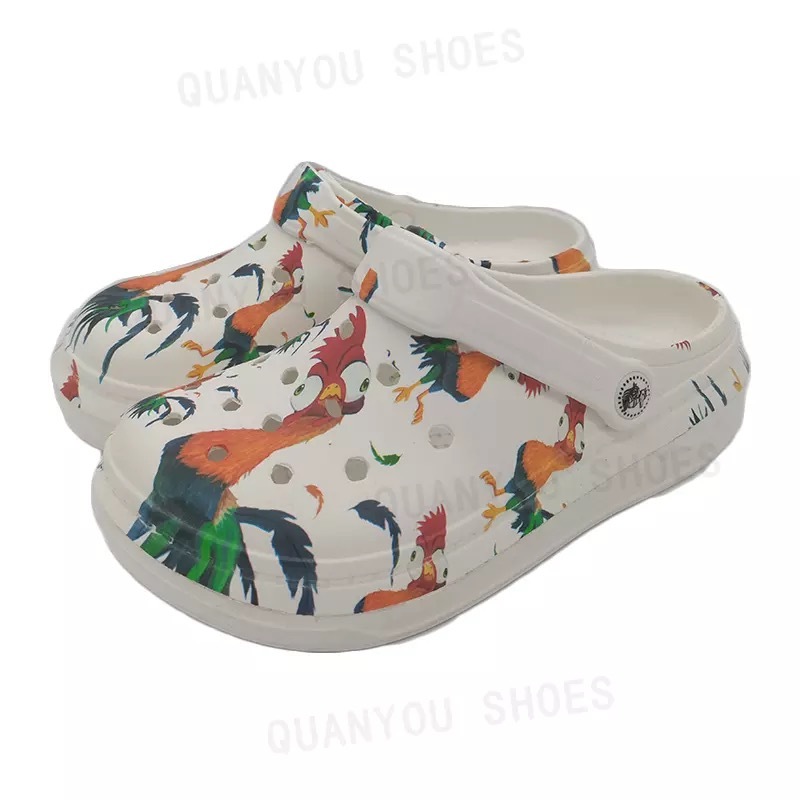
Customized Fashion Clogs for Sale
The best Fashion Clogs for Sale are available in a variety of styles, colors, and patterns to suit different occasions and personal preferences, providing more fashion choices
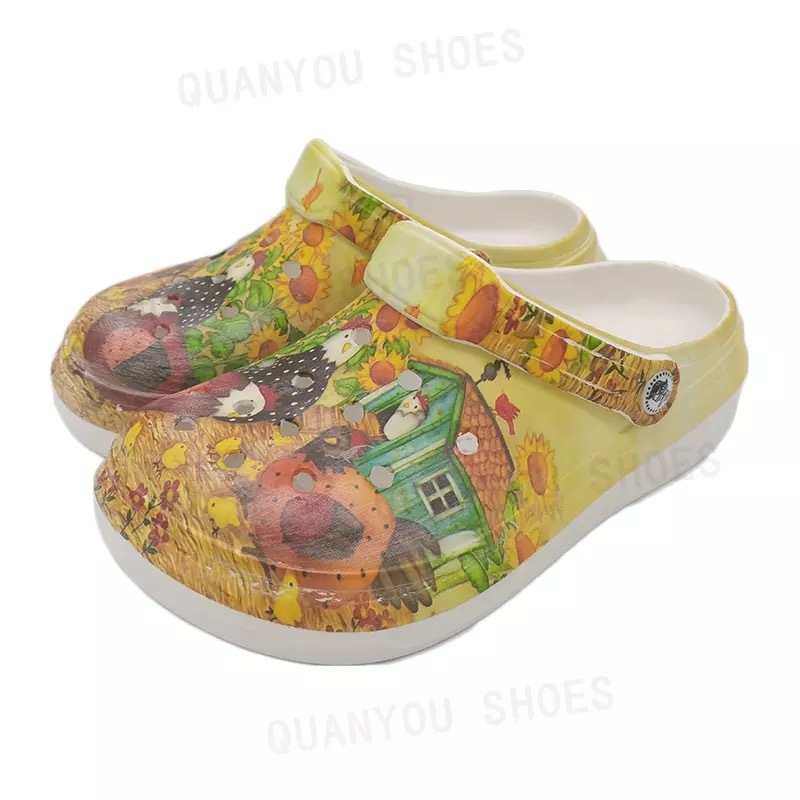
Personalized Clogs for Sale Custom Clog Shoes
Welcome to the wonderful world of quality Custom Clogs products, we bring you a perfect blend of personality and comfort
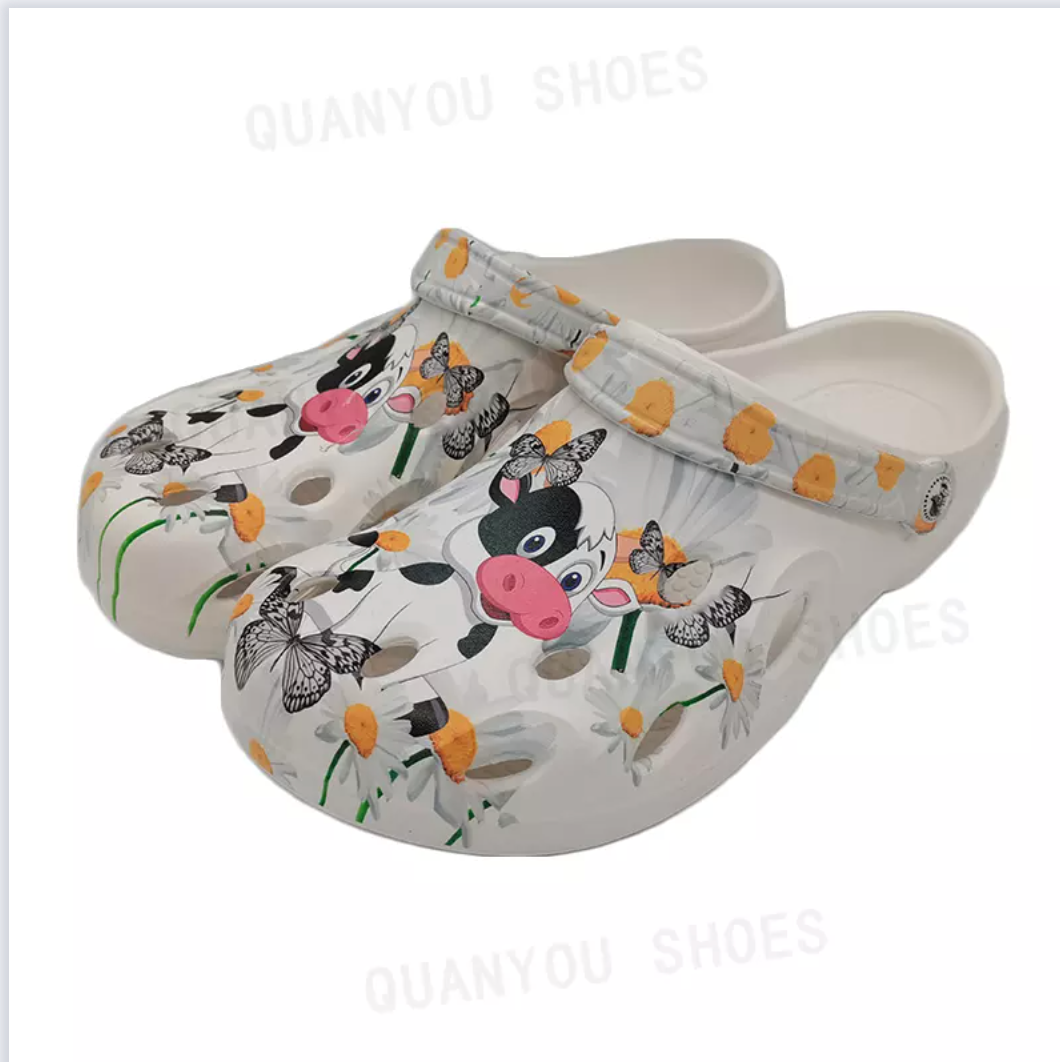
EVA Garden Clog Shoes with High Quality MOQ 1PCS
Quality EVA Garden Clog Shoes are ideal for your garden, outdoor activities, or leisure time, bringing you unparalleled comfort and style
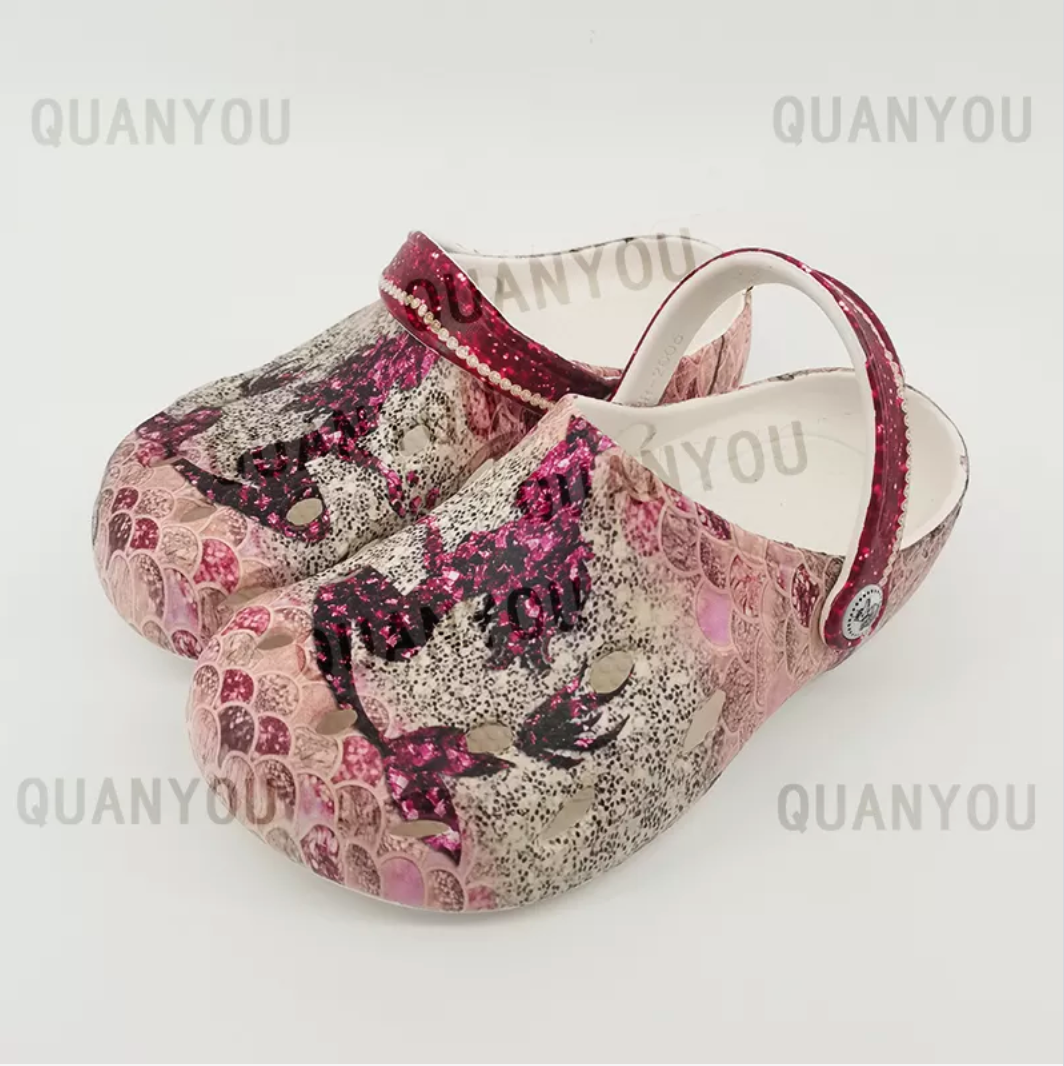

Customized Chic Clogs with Good Quality MOQ 1PCS
When people are not wearing Wholesale clogs shoes in china, store them in a well-ventilated place away from direct sunlight and moisture

Custom Winter Cotton Home Slippers
Crafted with plush and soft materials, china House Slippers For sale provide a luxurious embrace for your feet, making every step a moment of pure indulgence
EHSO
language
English
العربية
বাংলাদেশ
Български
Hrvatski
Česky
Dansk
Nederland
 Esperanto
Slovenski
Filipino
Suomi
Français
Maori
 Shqiptare
Georgian
 Euskara
Deutsch
Ελλάδα
ישראל
इंडिया
Magyarország
Ísland
Indonesia
Irlanda
Italia
日本語
Sovensko
Հայաստան
한국
Kyrgyz
ປະເທດລາວ
 Zulu
Zulu
Latvian
Lithuanian
Luxembourgish
 Latinus
Macedonian
Малайская
Maltese
Монгол улс
 Cymraeg
ဗမာ
 தமிழ்
தமிழ்
नेपाल
Norge
ایران
Polska
Portugal
România
Российская
Србија
 Slovak
Србија
 Slovak
Bosanski
Slovenian
Беларус
España
Sverige
Точик
ประเทศไทย
Türk
Azərbaycan
Uzbek
 Afrikaans
Việt Nam
ONLINE MESSAGES
CONTACT US
Company : Mr Zhang
Mobile: +86 15359820088
E-mail: 15359820088@189.cn
Add: No. 274, Xinmei Road, Sucuo Village, Chendai Town, Jinjiang City, Quanzhou City, Fujian Province