
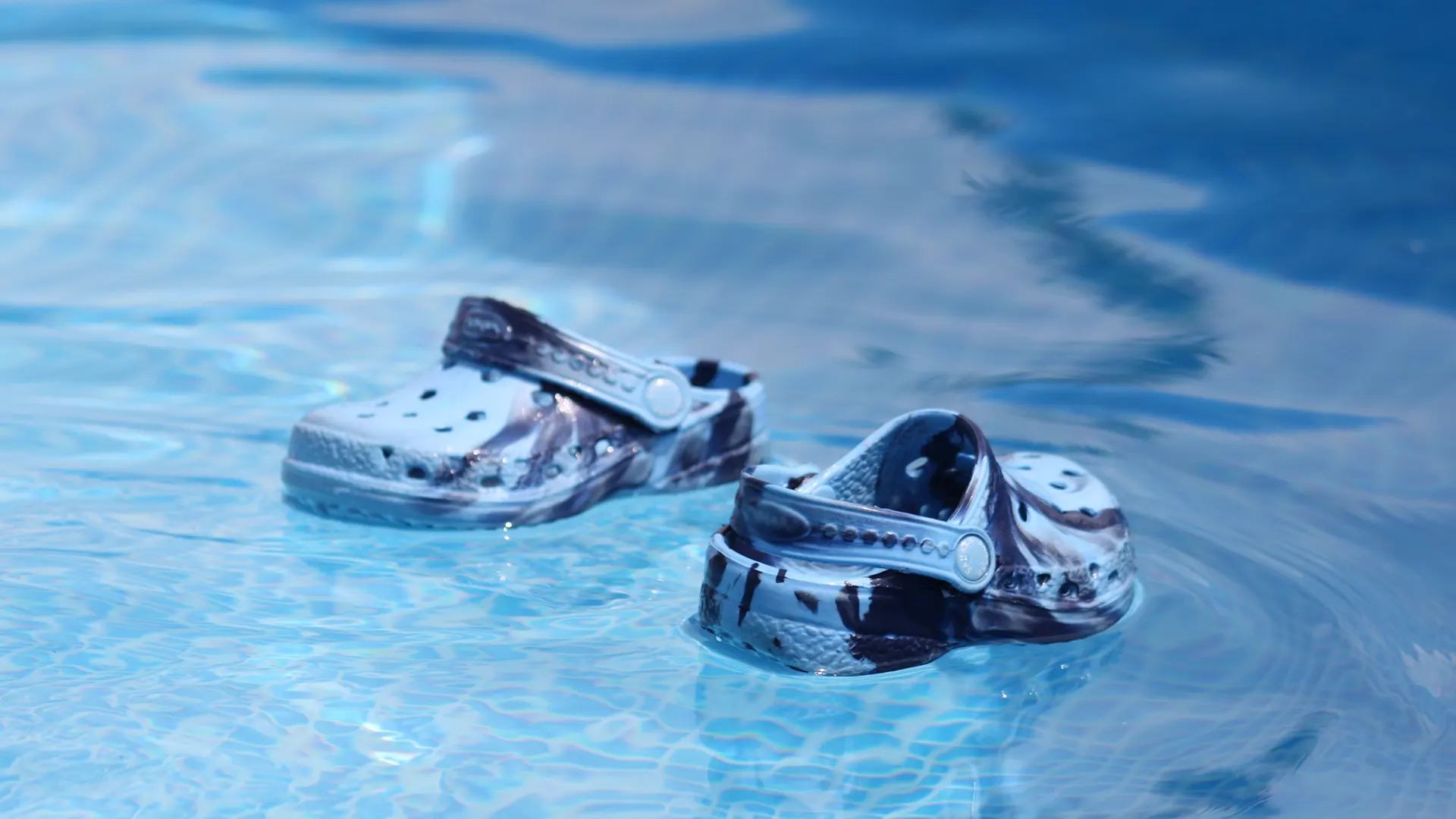
Discover the Comfort and Variety of Indoor Slippers: Insights from the Factory
Time:
2024-08-22
Indoor slippers are more than just a cozy accessory; they are a vital part of maintaining comfort and warmth in your home. Understanding the factory processes behind these household essentials can enhance your appreciation for this footwear category. Indoor slippers can come in various styles including slides, moccasins, and booties, each designed with specific materials and functionalities catering to different preferences.
The manufacturing of indoor slippers begins with selecting high-quality materials, which significantly influences the final product's comfort and durability. Common materials include soft fabrics like fleece, cotton, and wool, as well as rubber for the soles to provide grip and prevent slipping. Each of these materials serves a unique purpose, ensuring that indoor slippers are not only comfortable but also practical for everyday use.
One key aspect of indoor slippers is their design. Factories often consider both aesthetics and functionality, resulting in an array of styles that can complement any home decor. Whether you prefer classic styles or modern designs, there are options available to suit your taste. Additionally, many factories prioritize ergonomic considerations, ensuring that the shoes support your feet properly, which is especially beneficial for those who spend long hours at home.
The production process also involves rigorous quality control to ensure that every pair of indoor slippers meets safety and comfort standards. This means checking for consistent stitching, ensuring there are no hazardous materials, and testing the slippers for durability. Such attention to detail is crucial in creating a product that not only looks good but feels good as well.
When choosing indoor slippers, it's essential to consider factors such as sizing, material, and purpose. For instance, if you are looking for something to keep your feet warm during the winter months, opting for slippers lined with fleece or wool may be the best choice. Conversely, if you need a breathable option for warmer climates, cotton slippers could be more suitable.
In summary, indoor slippers are an integral part of home comfort that blend style, functionality, and quality. Understanding the factory processes behind the manufacturing of these slippers can provide valuable insights into what makes a great pair. When selecting the right indoor slippers for your needs, considering the design, material, and purpose will lead to a more satisfying choice that enhances your overall home experience.
The manufacturing of indoor slippers begins with selecting high-quality materials, which significantly influences the final product's comfort and durability. Common materials include soft fabrics like fleece, cotton, and wool, as well as rubber for the soles to provide grip and prevent slipping. Each of these materials serves a unique purpose, ensuring that indoor slippers are not only comfortable but also practical for everyday use.
One key aspect of indoor slippers is their design. Factories often consider both aesthetics and functionality, resulting in an array of styles that can complement any home decor. Whether you prefer classic styles or modern designs, there are options available to suit your taste. Additionally, many factories prioritize ergonomic considerations, ensuring that the shoes support your feet properly, which is especially beneficial for those who spend long hours at home.
The production process also involves rigorous quality control to ensure that every pair of indoor slippers meets safety and comfort standards. This means checking for consistent stitching, ensuring there are no hazardous materials, and testing the slippers for durability. Such attention to detail is crucial in creating a product that not only looks good but feels good as well.
When choosing indoor slippers, it's essential to consider factors such as sizing, material, and purpose. For instance, if you are looking for something to keep your feet warm during the winter months, opting for slippers lined with fleece or wool may be the best choice. Conversely, if you need a breathable option for warmer climates, cotton slippers could be more suitable.
In summary, indoor slippers are an integral part of home comfort that blend style, functionality, and quality. Understanding the factory processes behind the manufacturing of these slippers can provide valuable insights into what makes a great pair. When selecting the right indoor slippers for your needs, considering the design, material, and purpose will lead to a more satisfying choice that enhances your overall home experience.
Related Products
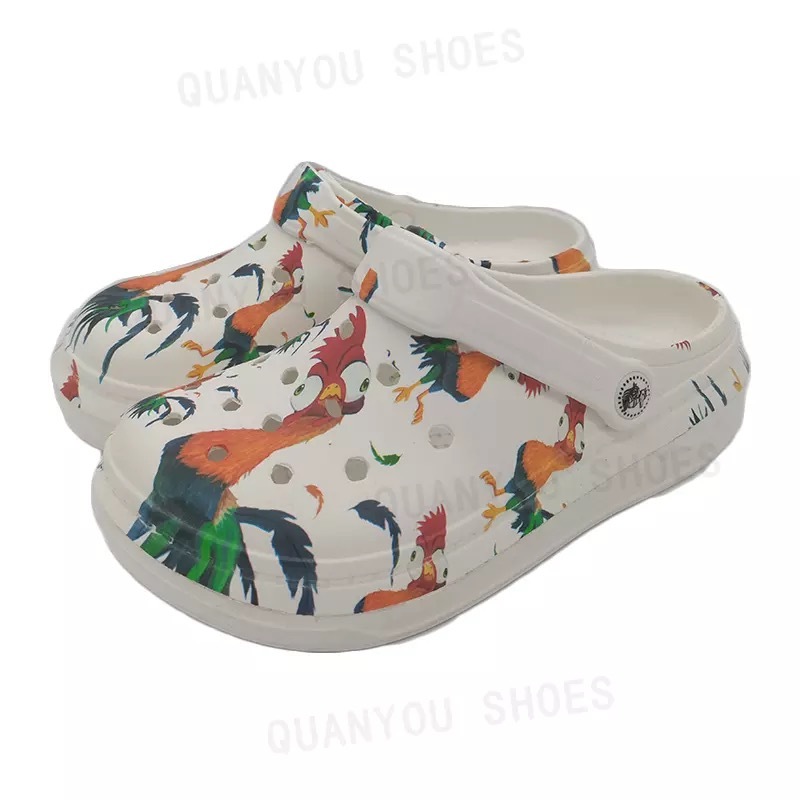
Customized Fashion Clogs for Sale
The best Fashion Clogs for Sale are available in a variety of styles, colors, and patterns to suit different occasions and personal preferences, providing more fashion choices
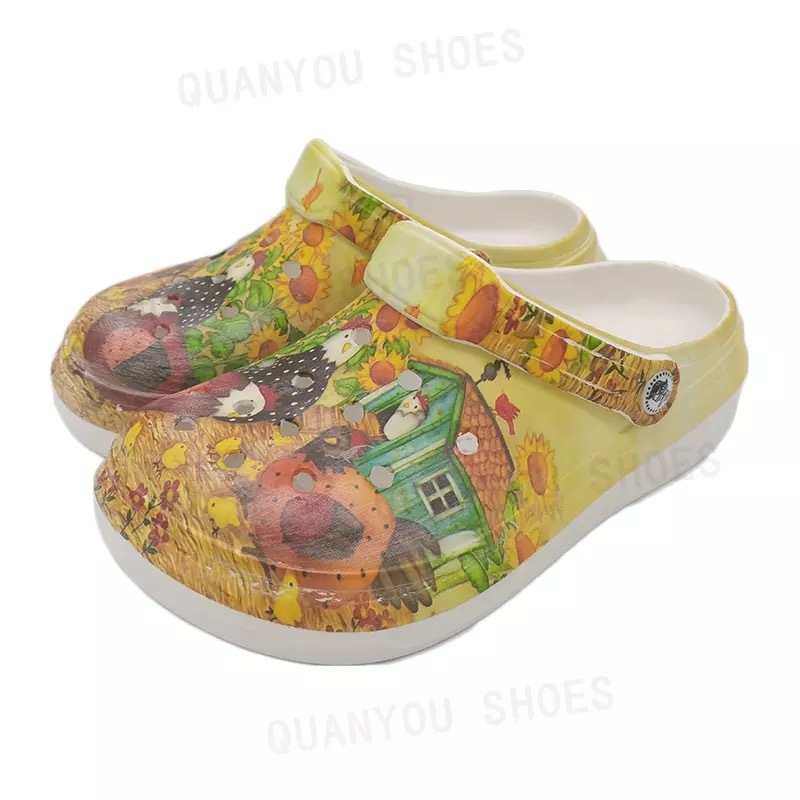
Personalized Clogs for Sale Custom Clog Shoes
Welcome to the wonderful world of quality Custom Clogs products, we bring you a perfect blend of personality and comfort
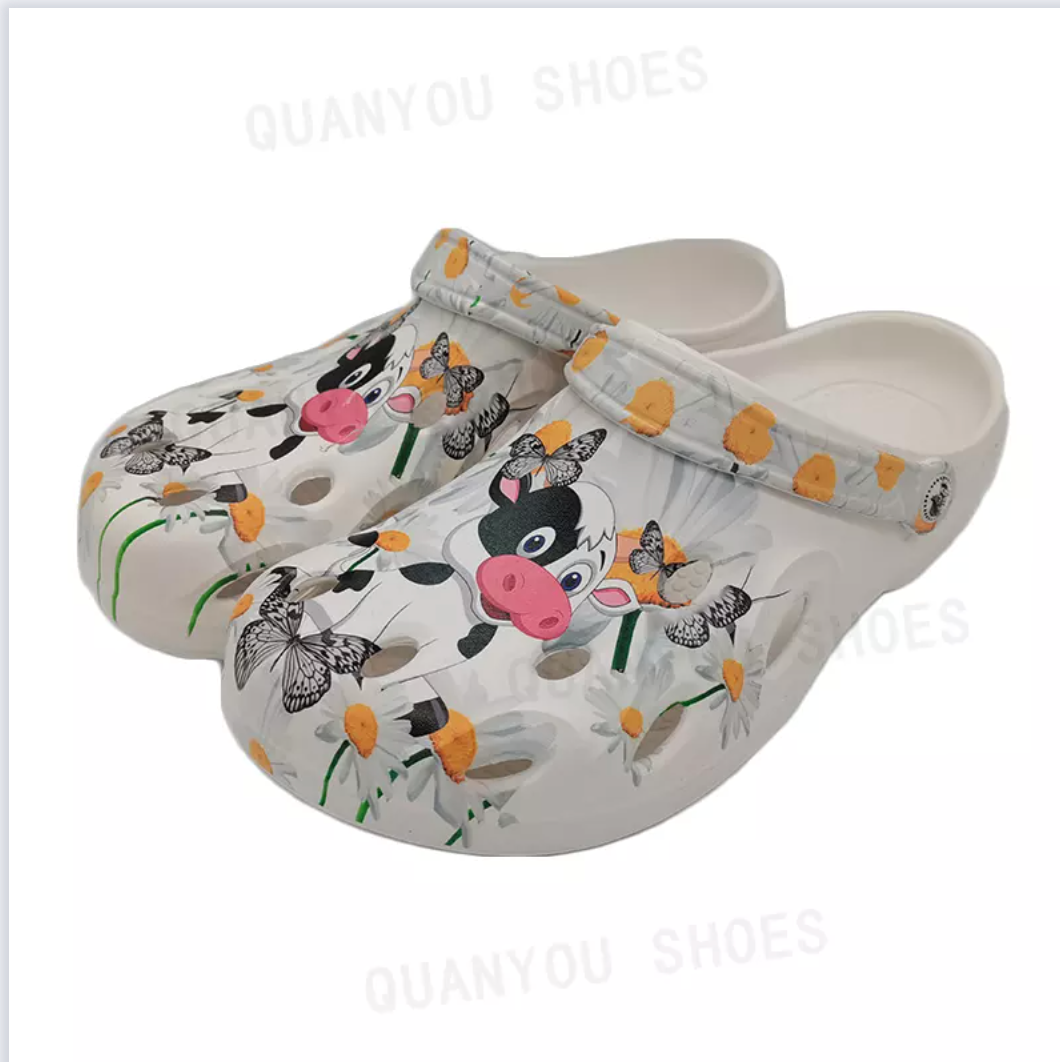
EVA Garden Clog Shoes with High Quality MOQ 1PCS
Quality EVA Garden Clog Shoes are ideal for your garden, outdoor activities, or leisure time, bringing you unparalleled comfort and style
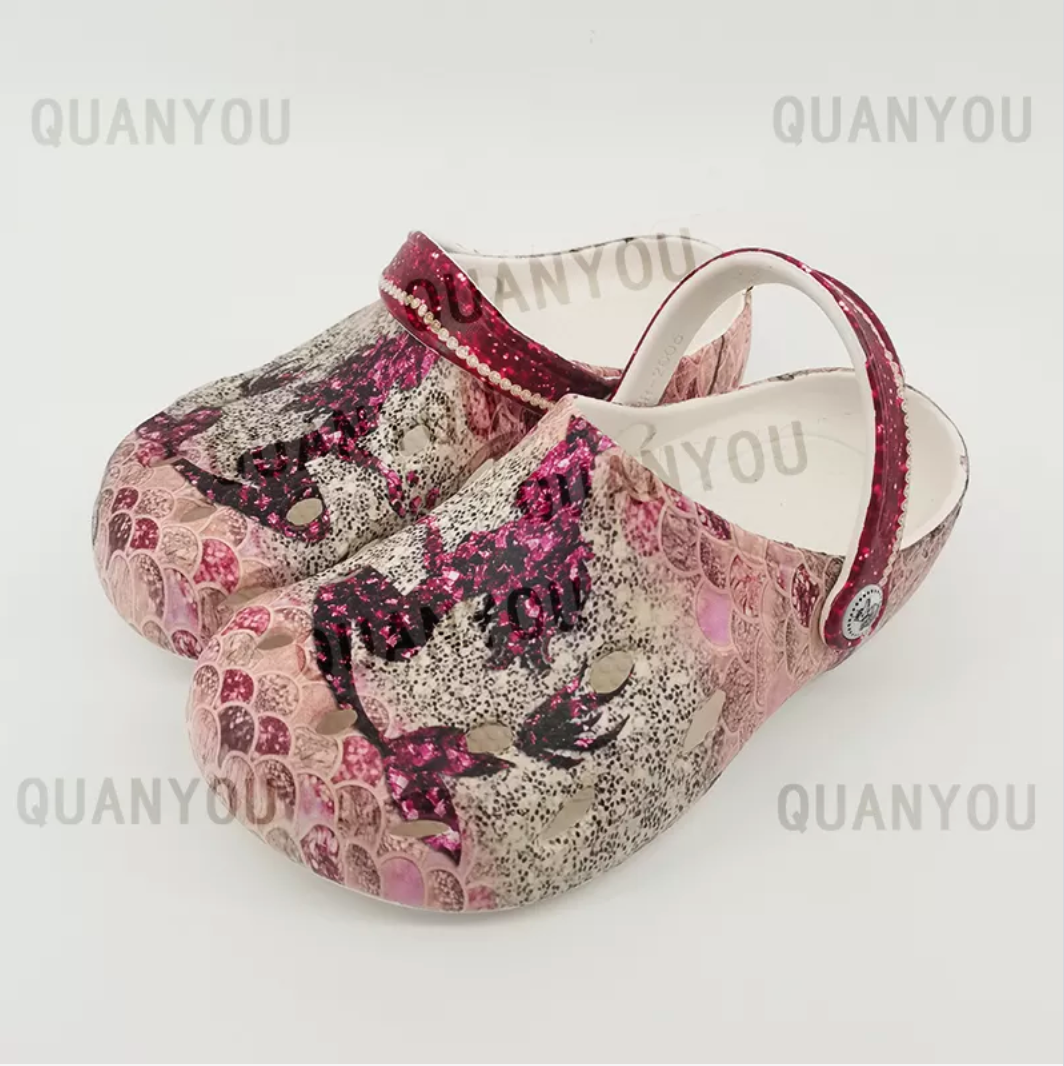

Customized Chic Clogs with Good Quality MOQ 1PCS
When people are not wearing Wholesale clogs shoes in china, store them in a well-ventilated place away from direct sunlight and moisture

Custom Winter Cotton Home Slippers
Crafted with plush and soft materials, china House Slippers For sale provide a luxurious embrace for your feet, making every step a moment of pure indulgence
EHSO
language
English
العربية
বাংলাদেশ
Български
Hrvatski
Česky
Dansk
Nederland
 Esperanto
Slovenski
Filipino
Suomi
Français
Maori
 Shqiptare
Georgian
 Euskara
Deutsch
Ελλάδα
ישראל
इंडिया
Magyarország
Ísland
Indonesia
Irlanda
Italia
日本語
Sovensko
Հայաստան
한국
Kyrgyz
ປະເທດລາວ
 Zulu
Zulu
Latvian
Lithuanian
Luxembourgish
 Latinus
Macedonian
Малайская
Maltese
Монгол улс
 Cymraeg
ဗမာ
 தமிழ்
தமிழ்
नेपाल
Norge
ایران
Polska
Portugal
România
Российская
Србија
 Slovak
Србија
 Slovak
Bosanski
Slovenian
Беларус
España
Sverige
Точик
ประเทศไทย
Türk
Azərbaycan
Uzbek
 Afrikaans
Việt Nam
ONLINE MESSAGES
CONTACT US
Company : Mr Zhang
Mobile: +86 15359820088
E-mail: 15359820088@189.cn
Add: No. 274, Xinmei Road, Sucuo Village, Chendai Town, Jinjiang City, Quanzhou City, Fujian Province