
Understanding OEM Slippers Wholesale Pricing in the Footwear Industry
Time:
2024-08-28
---
When it comes to the footwear industry, specifically in the realm of home slippers, understanding OEM (Original Equipment Manufacturer) slippers wholesale pricing is crucial for businesses looking to optimize their supply chain and enhance their product offerings. OEM slippers are those produced by one company but branded and sold by another, allowing businesses to provide high-quality products without the need for extensive production facilities.
One of the primary factors influencing OEM slippers wholesale pricing is the volume of the order. Typically, the more units you order, the lower the per-unit cost will be. This is due to economies of scale, where manufacturers can spread the fixed costs of production over a larger number of items. Therefore, businesses considering entering the home slipper market should carefully calculate their initial order quantities to leverage better pricing.
The materials used in slipper production also significantly impact wholesale pricing. Different fabrics, foams, and soles can vary widely in cost. For instance, eco-friendly materials might come at a premium, while synthetic options could offer more affordability. Understanding the materials and their market demand can help businesses select the right product that aligns with their target audience's preferences and budget.
Another essential aspect to consider is the design and customization options. Custom-designed slippers usually incur additional costs due to the design process and unique molds that may need to be created. However, offering personalized or unique designs can provide a competitive edge, allowing businesses to differentiate themselves in a crowded market.
Moreover, the geographic location of the manufacturer can play a role in wholesale pricing. Manufacturers based in countries with lower labor costs may offer more competitive pricing compared to those in regions with higher operational costs. However, it's also essential to consider logistics and shipping costs, which can offset any savings from lower production costs.
When exploring OEM slippers wholesale pricing, businesses should also factor in potential additional costs such as shipping, import duties, and tariffs. These can significantly affect the total cost of bringing a product to market. Establishing a comprehensive understanding of these elements will enable businesses to make informed decisions and maintain profitability.
In conclusion, OEM slippers wholesale pricing is influenced by various factors, including order volume, material choices, design specifications, and geographical considerations. By understanding these dynamics, businesses can navigate the complexities of the footwear market and make strategic decisions that cater to their customer base while optimizing costs. Whether you're venturing into the home slipper sector or looking to expand your existing product line, a thorough grasp of OEM pricing strategies will be instrumental in your success.
When it comes to the footwear industry, specifically in the realm of home slippers, understanding OEM (Original Equipment Manufacturer) slippers wholesale pricing is crucial for businesses looking to optimize their supply chain and enhance their product offerings. OEM slippers are those produced by one company but branded and sold by another, allowing businesses to provide high-quality products without the need for extensive production facilities.
One of the primary factors influencing OEM slippers wholesale pricing is the volume of the order. Typically, the more units you order, the lower the per-unit cost will be. This is due to economies of scale, where manufacturers can spread the fixed costs of production over a larger number of items. Therefore, businesses considering entering the home slipper market should carefully calculate their initial order quantities to leverage better pricing.
The materials used in slipper production also significantly impact wholesale pricing. Different fabrics, foams, and soles can vary widely in cost. For instance, eco-friendly materials might come at a premium, while synthetic options could offer more affordability. Understanding the materials and their market demand can help businesses select the right product that aligns with their target audience's preferences and budget.
Another essential aspect to consider is the design and customization options. Custom-designed slippers usually incur additional costs due to the design process and unique molds that may need to be created. However, offering personalized or unique designs can provide a competitive edge, allowing businesses to differentiate themselves in a crowded market.
Moreover, the geographic location of the manufacturer can play a role in wholesale pricing. Manufacturers based in countries with lower labor costs may offer more competitive pricing compared to those in regions with higher operational costs. However, it's also essential to consider logistics and shipping costs, which can offset any savings from lower production costs.
When exploring OEM slippers wholesale pricing, businesses should also factor in potential additional costs such as shipping, import duties, and tariffs. These can significantly affect the total cost of bringing a product to market. Establishing a comprehensive understanding of these elements will enable businesses to make informed decisions and maintain profitability.
In conclusion, OEM slippers wholesale pricing is influenced by various factors, including order volume, material choices, design specifications, and geographical considerations. By understanding these dynamics, businesses can navigate the complexities of the footwear market and make strategic decisions that cater to their customer base while optimizing costs. Whether you're venturing into the home slipper sector or looking to expand your existing product line, a thorough grasp of OEM pricing strategies will be instrumental in your success.
Related Products
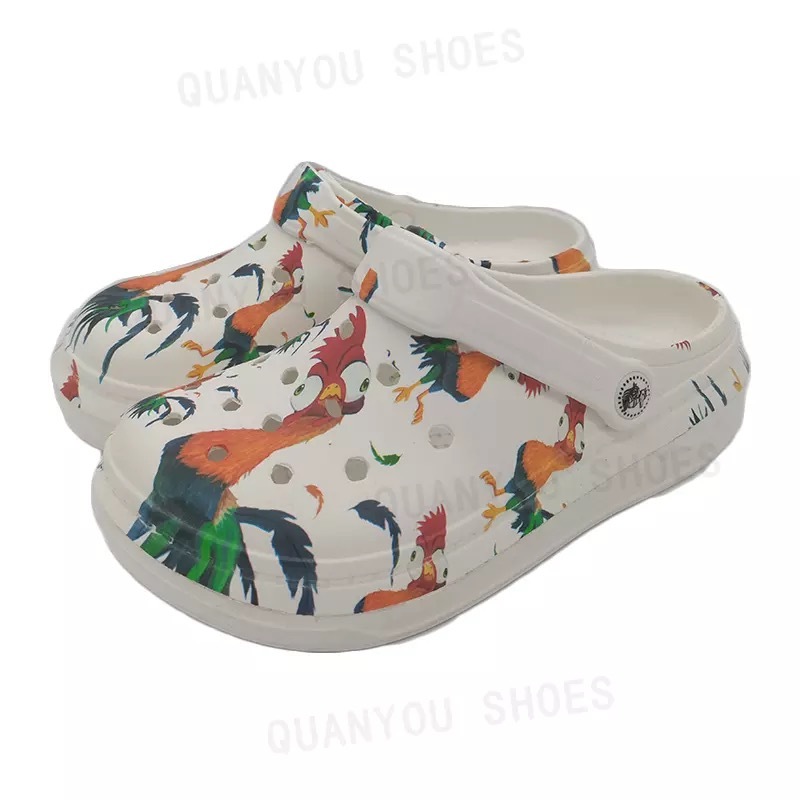
Customized Fashion Clogs for Sale
The best Fashion Clogs for Sale are available in a variety of styles, colors, and patterns to suit different occasions and personal preferences, providing more fashion choices
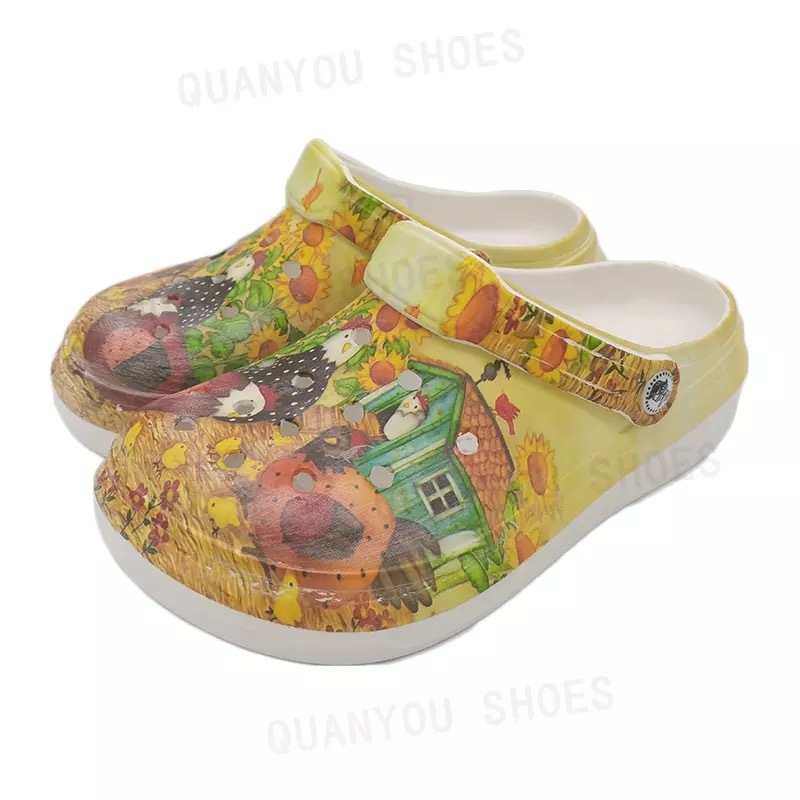
Personalized Clogs for Sale Custom Clog Shoes
Welcome to the wonderful world of quality Custom Clogs products, we bring you a perfect blend of personality and comfort
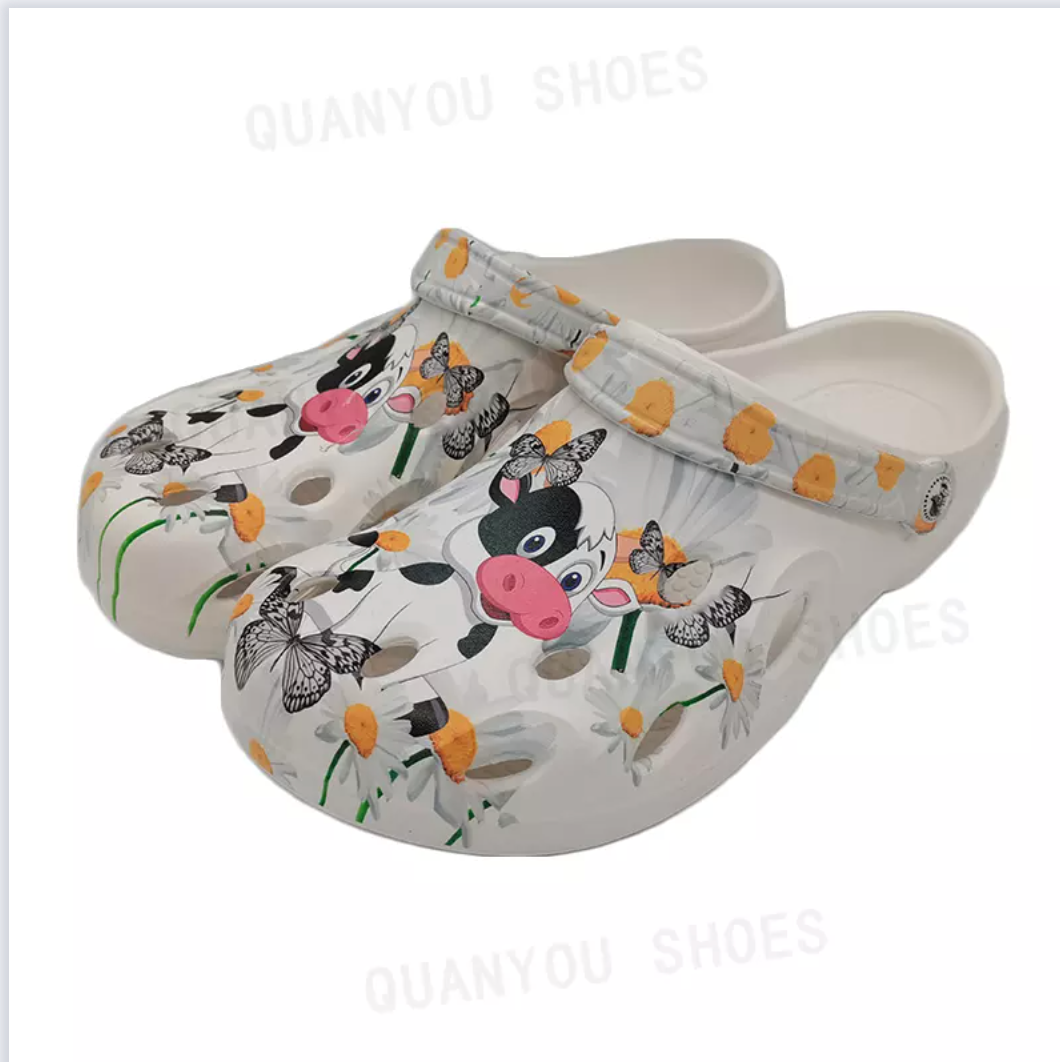
EVA Garden Clog Shoes with High Quality MOQ 1PCS
Quality EVA Garden Clog Shoes are ideal for your garden, outdoor activities, or leisure time, bringing you unparalleled comfort and style
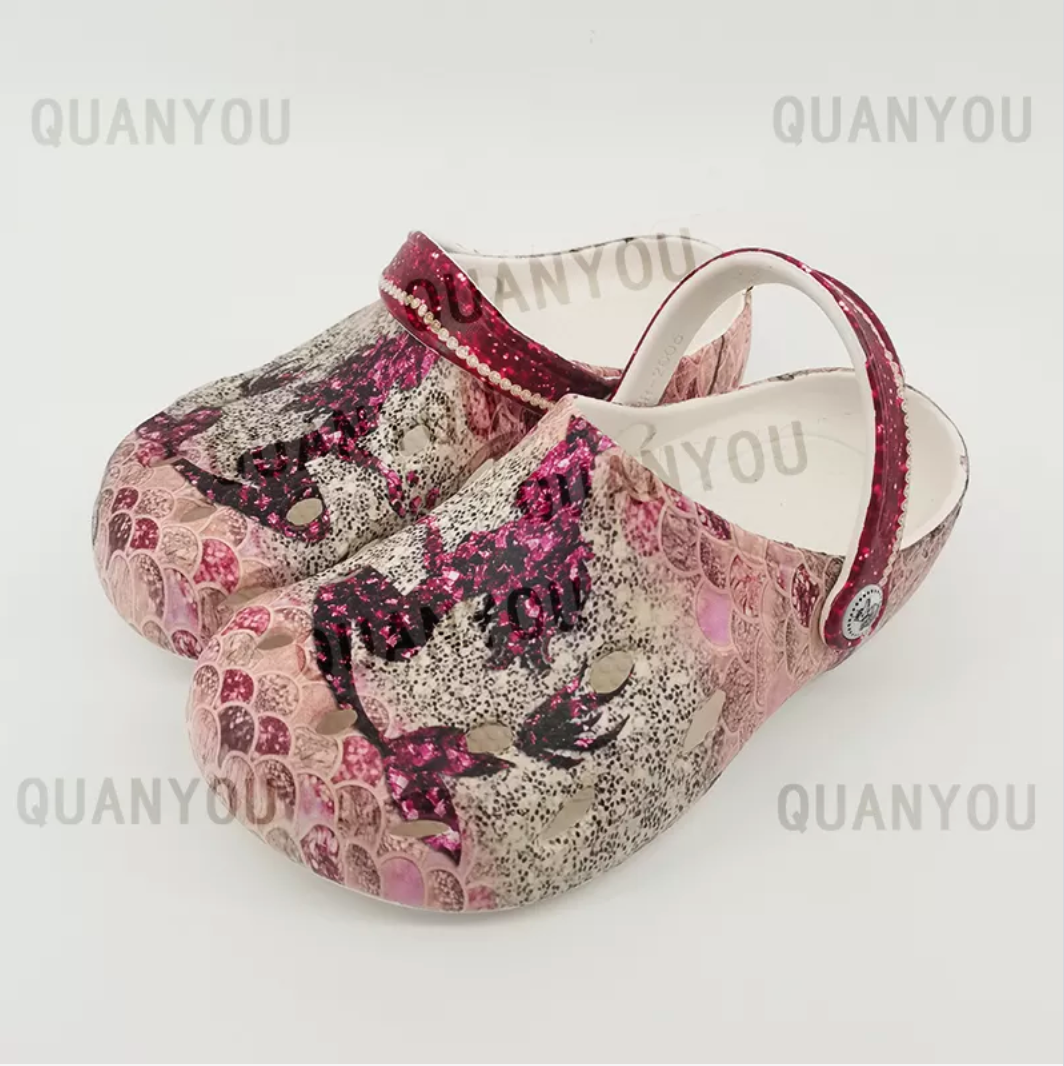

Customized Chic Clogs with Good Quality MOQ 1PCS
When people are not wearing Wholesale clogs shoes in china, store them in a well-ventilated place away from direct sunlight and moisture

Custom Winter Cotton Home Slippers
Crafted with plush and soft materials, china House Slippers For sale provide a luxurious embrace for your feet, making every step a moment of pure indulgence
EHSO
language
English
العربية
বাংলাদেশ
Български
Hrvatski
Česky
Dansk
Nederland
 Esperanto
Slovenski
Filipino
Suomi
Français
Maori
 Shqiptare
Georgian
 Euskara
Deutsch
Ελλάδα
ישראל
इंडिया
Magyarország
Ísland
Indonesia
Irlanda
Italia
日本語
Sovensko
Հայաստան
한국
Kyrgyz
ປະເທດລາວ
 Zulu
Zulu
Latvian
Lithuanian
Luxembourgish
 Latinus
Macedonian
Малайская
Maltese
Монгол улс
 Cymraeg
ဗမာ
 தமிழ்
தமிழ்
नेपाल
Norge
ایران
Polska
Portugal
România
Российская
Србија
 Slovak
Србија
 Slovak
Bosanski
Slovenian
Беларус
España
Sverige
Точик
ประเทศไทย
Türk
Azərbaycan
Uzbek
 Afrikaans
Việt Nam
ONLINE MESSAGES
CONTACT US
Company : Mr Zhang
Mobile: +86 15359820088
E-mail: 15359820088@189.cn
Add: No. 274, Xinmei Road, Sucuo Village, Chendai Town, Jinjiang City, Quanzhou City, Fujian Province